
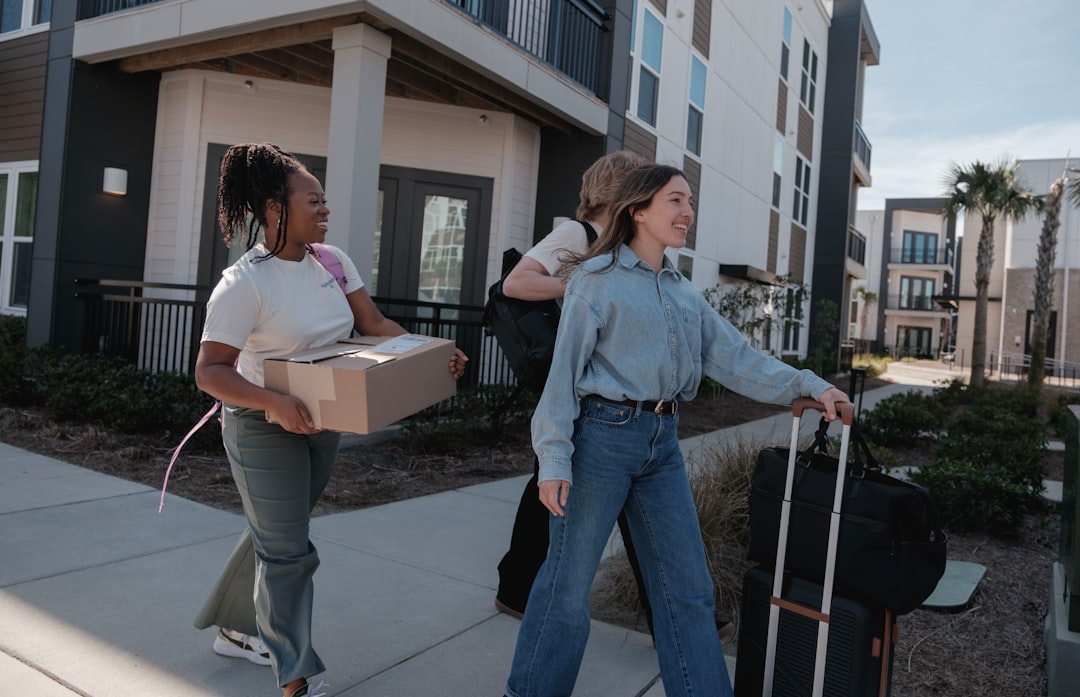

Student relocations demand low cost without compromising on getting your belongings safely to your new place, and the smartest strategy combines off-peak timing, selective hiring, and smart packing rather than cutting corners on box quality or insurance.

What are the cheapest ways to move as a student?
The lowest-cost moves combine several tactics: book during slower seasons (September through April, after peak summer), use a partial-truck or shared-space service rather than a full truck, pack most items yourself, and hire movers only for heavy furniture if needed. Students who move local—within the same city or province—pay 40–60% less than long-distance relocations, and shifting your move date by even two weeks can cut costs by $300–$800 depending on distance.
Pro Tip: If your move is purely local and your belongings fit in a small truck, asking for a half-day or hourly rate from a moving company often costs less than a fixed flat rate for a longer job.
How much should a student budget for a move, and where do costs concentrate?
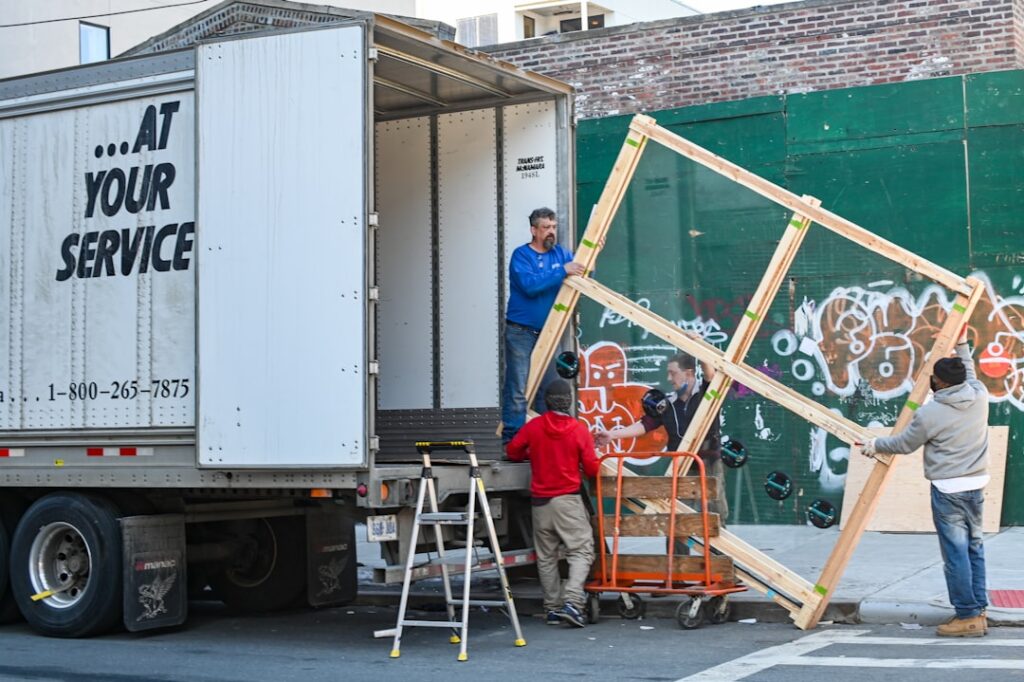
A typical student move within Ontario or BC costs $800–$2,500 for professional labor and truck rental, depending on distance, volume, and whether you handle packing yourself. Long-distance moves (e.g., Toronto to Vancouver) jump to $3,500–$6,000+. Costs break down roughly as: truck rental or labor (50–70%), packing supplies if you don’t reuse boxes (10–15%), and optional add-ons like storage or furniture assembly (5–20%). Many students don’t account for fuel surcharges, minimum call-out fees, or parking permits in tight urban dorms—those add another 5–10%.
| Move Type | Typical Distance | Budget Range (CAD) | Main Variable |
|---|---|---|---|
| Local (same city) | 0–30 km | $500–$1,200 | Number of rooms, stairs |
| Regional (inter-provincial, Ontario/BC) | 100–400 km | $1,500–$3,000 | Season, truck size, packing labor |
| Cross-country (e.g., Toronto–Vancouver) | 3,000+ km | $3,500–$7,000 | Fuel, truck type, time of year |
| Student DIY + rental truck | Varies | $300–$800 | Truck size, fuel, insurance add-ons |
What’s the difference between DIY moving and hiring budget movers?
DIY moves (you rent a truck and handle everything) save 40–60% upfront but cost you physical labor, liability if you damage items, truck damage deposits, and time. Hiring a budget moving company (often called basic or standard service) costs more per dollar but includes insured labor, professional packing if desired, and speed—you’re done in hours versus a full weekend. The real trade-off: DIY suits small local moves (single bedroom, few heavy items), while hiring movers becomes cheaper and safer for anything requiring stairs, tight hallways, or distance beyond 50 km.
From my experience working with student clients, the regret I hear most is from those who attempted a multi-room DIY move and ended up paying more for damage claims, truck damage fees, or renting the truck an extra day than they would have spent hiring professionals. A 4-hour labor team moving three rooms typically costs $300–$600 and eliminates that risk entirely.
| Approach | Cost Range | Time Commitment | Risk | Best For |
|---|---|---|---|---|
| Full DIY (rent truck, pack/move) | $300–$800 | Full weekend | Damage, injury, truck damage fees | Single small room, under 50 km |
| Hybrid (rent truck, hire labor only) | $500–$1,500 | 4–8 hours | Moderate (you still rent truck) | 2–3 rooms, local or regional |
| Full service (movers + truck) | $1,000–$3,500 | 4–8 hours | Low (fully insured) | Multi-room, distance, fragile items |
Pro Tip: If you go hybrid (truck rental + hired labor), book the truck for a single day and negotiate a 3–4 hour labor window; most movers can load a typical student apartment in that time, and you’ll avoid paying for a second day or weekend premium.
How can students cut moving costs without cutting corners on safety?
The best reductions come from smart timing and preparation, not from hiring uninsured movers or skipping insurance. Book your move on a weekday (Tuesday–Thursday), avoid peak summer weeks (June–August), and schedule for early morning or afternoon rather than evening surcharge slots. Use free boxes from liquor stores, grocery stores, or campus facilities instead of buying new ones—you’ll save $50–$150. Pack your own non-fragile items and ask the moving company to handle only furniture and boxes you flag as heavy or delicate. Request a binding estimate (not just a quote) so you know the fixed price upfront and avoid surprise charges.
- Reuse boxes: Liquor stores, bookstores, and grocery stores often have free sturdy boxes; campus move exchanges sometimes list free boxes on community boards or Facebook groups.
- Declutter before moving: Fewer items = smaller truck = lower labor hours. Sell used textbooks, furniture, and clothes on Facebook Marketplace or Kijiji; many students recovering moving costs this way save $200–$400.
- Move off-peak: January, February, April, and May are slowest; companies often offer 10–20% discounts. Avoid June 1 and September 1 entirely—those are the most expensive moving days in Canada.
- Bundle services if moving far: Sometimes a moving company’s flat rate for packing + truck + labor is cheaper than renting a truck and hiring labor separately. Always ask for a package quote.
- Negotiate or ask for student discounts: Some regional movers offer 5–15% discounts for students or first-time customers; it never hurts to mention you’re relocating for school.
Pro Tip: If you’re moving regionally or cross-country, ask whether the moving company offers a
Want help with this?
If you want a straight answer for your situation, send Bravos Moving a note. We read every message and reply with next steps — no generic sales dump.
Leave a Reply
You must be logged in to post a comment.