
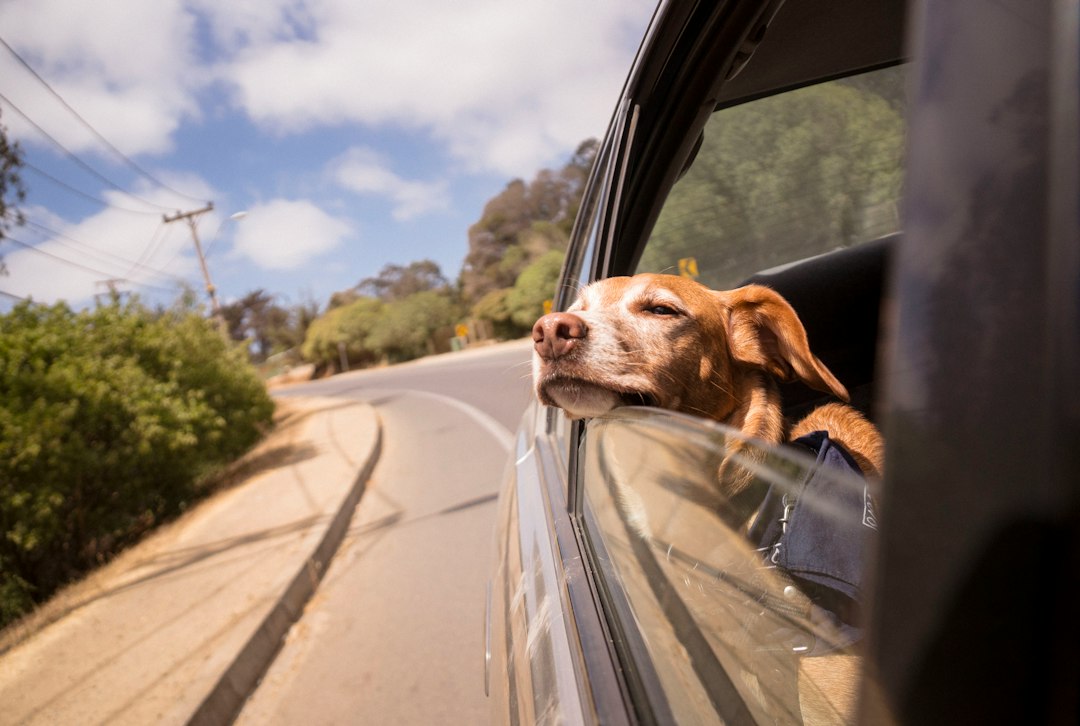

Moving with cats and dogs together requires managing two species with opposite instincts—one that hides when stressed, one that needs routine and containment. A dog’s anxiety may spike while a cat shuts down entirely. Preparing them separately while coordinating their transport and reintroduction keeps both safe and settles them faster in a new home. If managing the logistics of moving cats and dogs together alongside your own relocation feels too complex, Bravos Moving can handle the physical move so you focus on your pets’ transition. moving dogs cats canada cost.

Why Cats and Dogs Need Different Strategies During a Move
A dog thrives on routine and social connection. Disruption to daily walks, feeding times, and familiar spaces triggers anxiety that shows as restlessness, excessive vocalization, or behavioral changes. A cat bonds deeply with territory, not people. Your cat’s identity is anchored to the scent map of your current home, the hiding spots, the window perches. Relocation erases that map entirely, which is why many cats become withdrawn or hide for days after arriving somewhere new.
Packing boxes destabilize both pets, but for different reasons. A moving truck, strange spaces, and unfamiliar scents will send your dog into alert mode and push your cat into survival mode. Your dog needs structure and reassurance during chaos; your cat needs the chaos to stop so it can reestablish territory. When you don’t anticipate how each will behave, one pet’s distress amplifies the other’s.
Preparing Cats and Dogs for a Move: Six Weeks Out

Start your planning as soon as you know a move is happening. Six weeks gives you time to condition both pets to change without triggering panic.
For your dog
Establish a portable routine now. If your dog’s day currently revolves around walks at 7 a.m. and 5 p.m., walk those times consistently for the next six weeks. When moving day arrives, that routine becomes the anchor your dog recognizes. Introduce a travel crate or carrier slowly if your dog isn’t used to one. Leave it open for the first week, toss treats inside, let them sleep in it. A crate becomes a den, not a punishment, when a dog has time to accept it. During moving day, a secure crate keeps your dog safe from open doors, movers, and the chaos of loading.
Visit the new neighborhood if possible. A 10-minute walk there, even once, familiarizes your dog with new scents and terrain. Dogs process change through their nose; letting your dog sniff the new area reduces the shock when you arrive.
For your cat
Start desensitizing your cat to carriers and travel. Many cats arrive at the new home terrified because the carrier itself is traumatic. Weeks before moving day, leave a carrier open in a room your cat frequents. Put their favorite toy or a treat inside. Never force them into it. The goal is neutral familiarity, not comfort—your cat won’t love the carrier, but they’ll recognize it as a known object rather than a threat.
Reduce access to the full house as moving day approaches. Two weeks before the move, confine your cat to a smaller space—one quiet bedroom or bathroom. This pre-move containment helps your cat adjust to limited territory before the move itself shrinks their world to a carrier and a crate. It also keeps them out of the way of movers and prevents escape through open doors.
What to Gather Before Moving Day
Assemble pet-specific supplies separate from your household boxes. You’ll need these immediately before, during, and after the move.
- Secure carriers or crates for both pets, rated for their weight and sturdy enough for transport in a vehicle.
- Portable food and water bowls, ideally collapsible to save space.
- Enough food for at least three days at the new address, stored in airtight containers. Moving is not the time to switch brands; digestive upset compounds stress.
- Medications and medical records, including vaccination certificates if you’re crossing a provincial border.
- Comfort items with familiar scents—a blanket from the current home, a toy your dog loves, bedding your cat uses.
- Cleaning supplies and enzymatic cleaner, especially for accidents. A stressed pet may have bathroom mishaps during transport or the first days at the new place.
- Leash and harness for your dog; a collar with an updated ID tag showing your new address and phone number.
- Recent photos of both pets on your phone. If either escapes during the move, you’ll need to post them quickly.
Keep this kit in a bag you control, not in the moving truck. You’ll need immediate access on arrival day.
Managing Pets During Packing and Moving Day
The week before your move, your home becomes a construction site. Boxes pile up, walls grow bare, and the familiar environment shifts daily. Your pets will notice.
Confine both pets to a quiet room—ideally a bedroom or bathroom that isn’t part of the active moving zone. Supply water, food, litter, and familiar bedding. Close the door. Tell your movers this room is off-limits. A stressed cat may bolt through an open door to escape noise and activity; a dog may follow movers around, become anxious from the constant motion, or get in the way. This confine-and-isolate strategy isn’t cruelty. It’s the safest way to manage moving chaos.
On moving day itself, don’t put pets in their carriers until the last possible moment. Keep them contained in a closed room with water and comfort items. Two hours before the last box leaves, load them into carriers, place carriers in your vehicle, and secure them for transport. Never leave a pet unattended in a parked vehicle, even for 10 minutes. Transport them last, or arrange for a trusted person to stay with them while you oversee the movers.
During the drive, keep the vehicle temperature moderate and avoid sudden stops or sharp turns. Don’t open the carrier to comfort a distressed pet. Movement may injure them. Talking to them calmly is enough. Play familiar music or white noise if it helps mask vehicle sounds.
Introducing Cats and Dogs to Your New Home
Patience matters more than speed. Both pets need time to map new territory and rebuild their sense of security.
The first 24 to 48 hours
When you arrive, bring your cat inside first and put them directly into a small, quiet room—a bathroom or bedroom with their litter box, water, food, and comfort items. Keep your dog in a different room or secured with a barrier. This separation is essential. Your cat is already disoriented and frightened; meeting an excited dog immediately stresses them further. Your dog needs to burn energy and process the new environment, which a fearful cat doesn’t need to witness.
Let your cat stay in that small room for 24 to 48 hours before exploring the rest of the house. This gives them time to acclimate to one space, mark it with their scent, and rebuild a sense of control. Feed them, refresh water daily, and don’t force interaction. Your presence is reassuring; hovering and coaxing is not.
Spend time with your dog in a separate space, take them for a walk to the yard or neighborhood, and let them adjust to new sights and scents. Maintain their routine—same feeding times, same walk schedule. Consistency steadies a dog through environmental chaos.
After 48 hours: controlled introduction
Open your cat’s door and let them explore the new house on their own timeline. Leave your dog in another room. Let your cat investigate without a dog present; this takes a few hours to a few days. Your cat will likely hide in closets or under furniture. This is normal and necessary. Do not pull them out. They’re establishing territory and reducing their stress through exploration.
Once your cat is moving around the house and using the litter box regularly, introduce your dog slowly. Keep your dog on a leash indoors for the first few days. Reward calm behavior around your cat with treats and praise. If your dog lunges, chases, or crowds your cat, redirect them immediately and return to separation. This isn’t a punishment. It’s a boundary that keeps both pets safe.
Most cats and dogs adjust to cohabitation after a new home within 7 to 14 days if introductions are gradual. Rushing this process—letting them roam freely together on day one—creates conflict that takes weeks to unwind.
What Usually Goes Wrong After a Move
Toileting accidents are the most common problem. A stressed cat may stop using the litter box; a stressed dog may have indoor accidents despite being housetrained. This isn’t misbehavior. It’s a symptom of anxiety. Ensure your cat has multiple litter boxes in the new home, placed far from their food and water. Use enzymatic cleaner on any accidents to fully eliminate scent; regular cleaners leave residue that invites repeat accidents.
Escape attempts happen more often than people expect. During the chaos of unloading, a cat bolts through an open door or a dog slips a collar. Update ID tags before moving day and ensure your contact information is current. If a pet escapes immediately after arrival, contact local shelters and post photos online within an hour. The first hours matter most. local moving.
Appetite changes and temporary illness are typical. Some pets eat less or refuse food for the first few days; a digestive upset from stress or a change in water chemistry may follow. Stick with the same food brand, offer water consistently, and contact your vet if the change lasts more than 48 hours.
When to Bring in Professional Help
If either pet shows severe anxiety—extreme hiding, refusal to eat, excessive vocalization, or aggression toward the other pet—contact your veterinarian. Anxiety medication, prescribed short-term, can ease the transition. Your vet can also rule out physical illness masquerading as moving stress.
For condo or apartment moves, where timing and access restrictions are tight, professional movers familiar with pet logistics can reduce chaos. They manage the loading process in a way that keeps movers and pets separate, which is especially valuable if you have multiple pets and limited time to coordinate their containment.
Final Thoughts
Moving cats and dogs together is manageable with forethought and separation. Your dog needs routine and reassurance; your cat needs containment and time to rebuild territory. Plan for six weeks of conditioning, isolate both pets during the move itself, and then reintroduce them gradually to the new home. Most pets settle within two to three weeks if you resist the urge to rush the process.
Need help with this? Locations from our team.
Want help with this?
Moving with multiple pets requires coordination across species with different temperaments and needs. If managing the logistics of relocating while keeping cats and dogs safe and settled feels overwhelming, contact Bravos Moving to discuss how professional movers can handle the physical chaos while you focus on your pets' transition.
FAQ
How long does it take cats and dogs to adjust after a move?
Most pets show visible adjustment within 7 to 14 days and settle fully within 3 to 4 weeks. Cats, which are more territory-focused, may hide initially but typically begin exploring within 24 to 48 hours. Dogs adjust faster to new environments if their routine remains consistent. Anxiety, appetite changes, or litter box avoidance beyond two weeks warrant a veterinary check.
Can I sedate my cat or dog for moving day?
Do not sedate a pet without veterinary guidance. Sedation can complicate travel safety, impair temperature regulation, and create other risks. If your vet prescribes short-term anti-anxiety medication, follow dosing precisely and test the medication before moving day to observe how your pet responds. Never use over-the-counter sedatives intended for humans.
Should I use a pet sitter during the move?
A pet sitter is helpful if you want pets monitored in a separate space during moving day, or if you’re managing the move entirely and can’t keep watch on contained pets yourself. Having someone check on them, ensure water is available, and note any distress takes one responsibility off your plate. If you’re staying on-site and actively managing pet separation, a sitter isn’t essential.
What if my cat refuses to come out of hiding at the new home?
This is normal for the first few days to a week. Leave food, water, and a litter box near their hiding spot so they don’t have to venture far. Place a familiar blanket or toy nearby. Avoid pulling them out or forcing interaction. Cats emerge when they feel safe; your patience speeds that process more than encouragement does. If hiding persists beyond two weeks or your cat shows no interest in food or water, contact your vet.
How do I prevent my dog from escaping during the move?
Keep your dog in a secured carrier or crate before the move begins, or confine them to a closed room during loading. Use a harness and leash before exiting any door or vehicle. Brief movers on pet containment and request they keep doors closed in the room where your dog is confined. Ensure your dog’s ID tag is current with your new address and phone number. Take a recent photo before moving day so you can post it immediately if escape happens.
Is it normal for pets to have accidents after moving?
Yes. Toileting accidents are a common stress response and usually resolve within a few days to a week. Use enzymatic cleaner on accidents, ensure litter boxes and outdoor access are easily available, and avoid punishing the pet. If accidents continue beyond two weeks, consult your veterinarian to rule out urinary tract infection or other medical issues.