
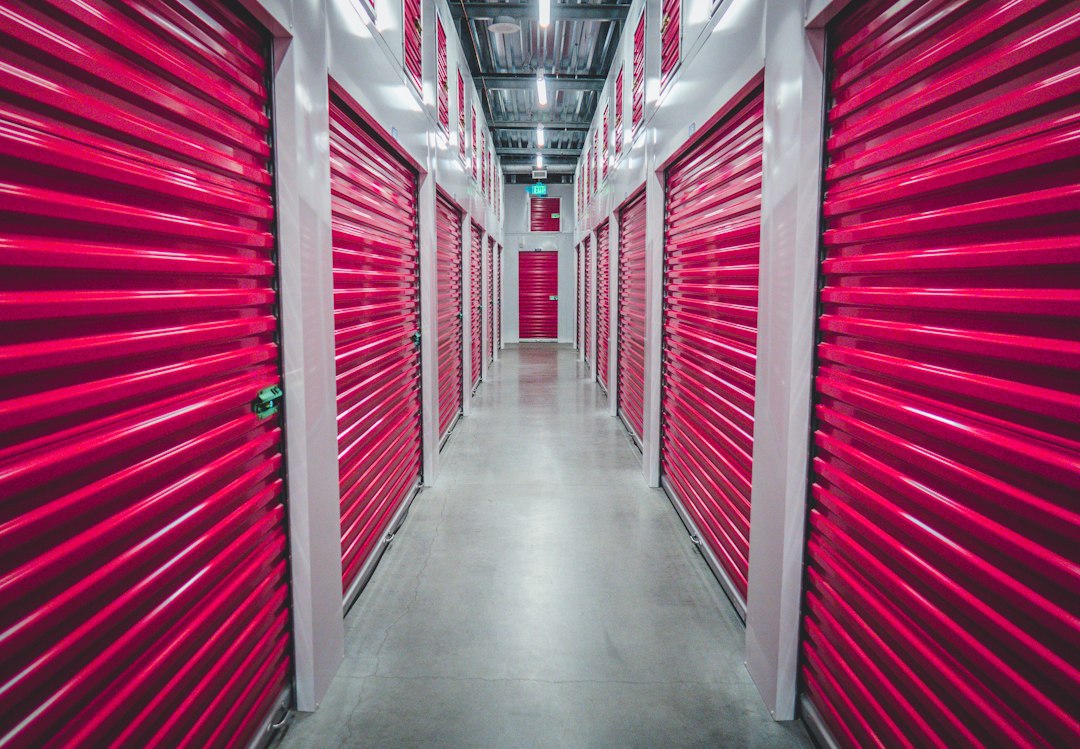

A storage unit during a renovation is a dedicated, secure space where you move furniture, boxes, and personal items out of the construction zone so contractors can work safely and efficiently without your belongings in the way.
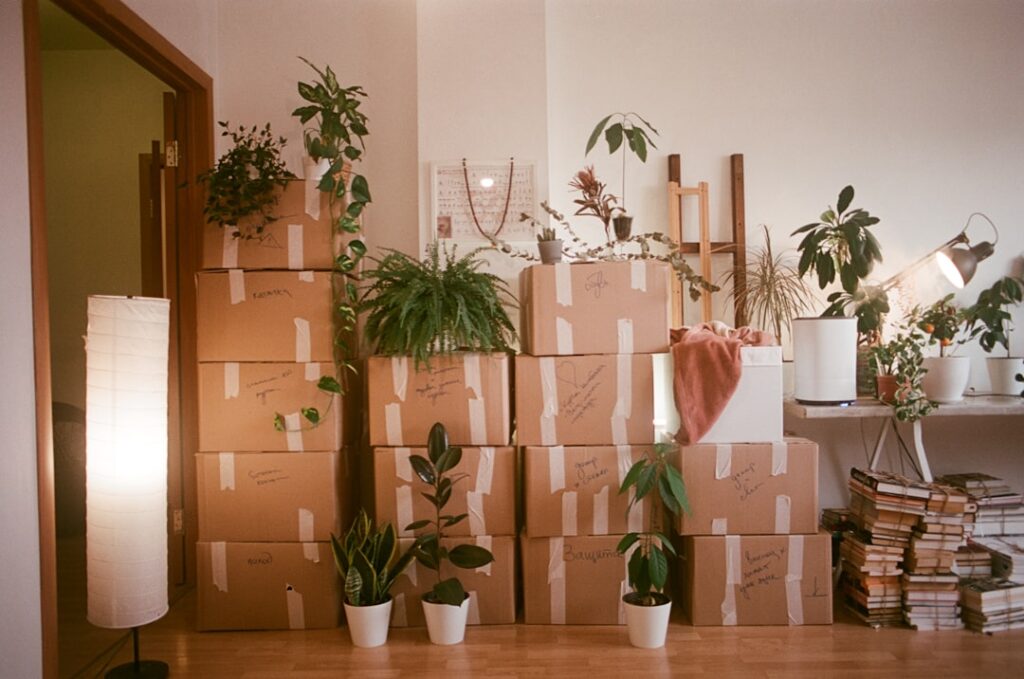
Home renovation is one of life’s most stressful events—not because of the hammering and dust, but because your furniture, family photos, and everyday items become obstacles in your own home. Contractors need clear work space, dust covers half your belongings, and you’re living in chaos for weeks or months. Renting a storage unit is often the pragmatic answer, but knowing which size to choose, how to pack it, and what it actually costs separates a smooth renovation from a logistical nightmare.
This guide covers how to select and use a storage unit effectively during renovation, what to expect in cost, and how to move items both into and out of storage without creating a second moving day.
What size storage unit do you actually need for a renovation?
Most homeowners overestimate how much space they need, then pay for three months of storage when they use one. Before you sign a lease, walk through your home and identify only what truly blocks the renovation work—not everything you want out of the way.
A 5×5 unit (25 square feet) holds about one room of furniture: a bedroom set, dresser, and a few boxes. A 5×10 unit (50 square feet) accommodates a living room sofa, dining table and chairs, plus 30–40 boxes. A 10×10 unit (100 square feet) works if you’re clearing multiple rooms or storing large items like a piano or entertainment center. If you’re keeping your kitchen table, chairs, and a sofa in place because you’re only renovating bathrooms or a basement, you might need just a 5×5.
The renovation scope matters more than the house size. A master bedroom renovation that displaces a bed, nightstands, and a dresser is different from a full-home kitchen-to-attic overhaul. Ask your contractor how long the project will run and which rooms they absolutely need cleared. Many homeowners find they can rotate items—keep bedrooms furnished while bathrooms are torn apart, then swap when the contractor moves to the next phase.
Pro Tip: Measure your furniture before renting. A sofa is typically 80–90 inches long; a queen bed frame is 60 inches wide. Sketch your unit layout on paper before moving day—it saves space and frustration.
| Unit Size | Best For | Typical Furniture Fit | Approximate Cost (Toronto Area, Monthly) |
|---|---|---|---|
| 5×5 | One room or partial renovation | Bedroom set, dresser, 20–30 boxes | $50–$100 |
| 5×10 | Kitchen or living room + boxes | Sofa, dining table, dresser, 40–50 boxes | $80–$140 |
| 10×10 | Multiple rooms or large items | Master bedroom + living room furniture, 70+ boxes | $120–$180 |
| 10×20 | Major renovation or whole-home project | Multiple room sets, appliances, seasonal items | $180–$280 |
Prices vary by location within the Greater Toronto Area and availability. Speak directly with local facilities about month-to-month leases and promotional rates; many offer discounts if you commit to multiple months upfront.
How do you pack and organize a storage unit so you can actually find things?
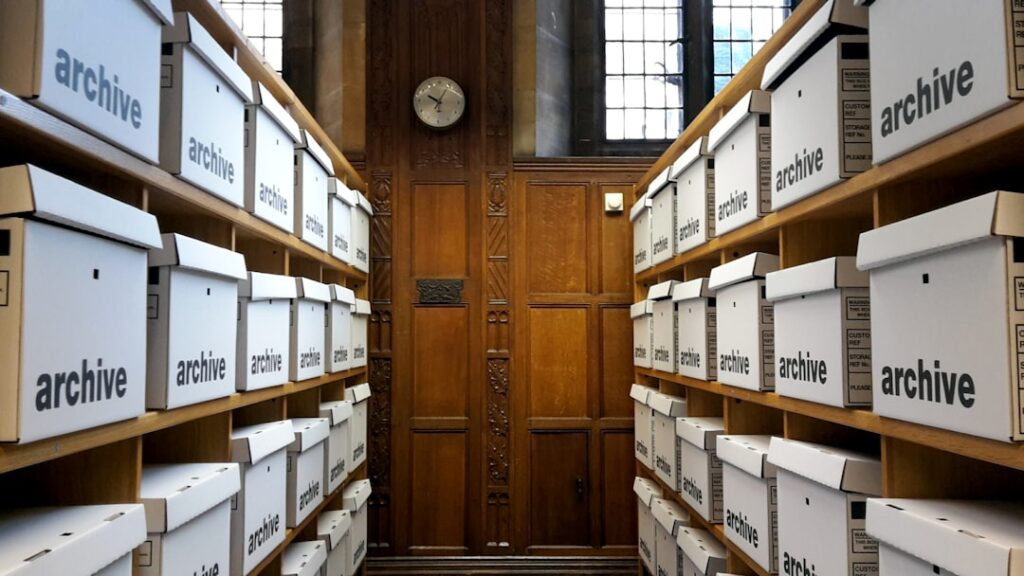
Throwing furniture into a unit and stacking boxes randomly means you’ll waste hours searching for a single lamp when the renovation ends. Organization during packing saves that time later.
Start by categorizing: bedroom items in one area, kitchen in another, seasonal goods in a third. Use identical boxes (or clearly labeled ones) and number them sequentially in a spreadsheet or phone note that lists what’s inside each box. This takes 10 minutes but pays off when you need a specific box three months later.
Stack heavier boxes on the floor and lighter ones on top. Protect furniture with blankets or furniture pads—dust and humidity in storage can damage upholstery and wood even in climate-controlled units. Disassemble large furniture like bed frames and dining tables if possible; store legs and hardware in labeled bags taped to the item itself.
Leave a clear walkway down the middle of the unit. You’ll likely need to add or retrieve items during the renovation, and being able to move through the space without toppling a stack saves you from damage claims and physical injuries.
Pro Tip: Take photos of your storage unit layout on move-in day. If anything shifts or is damaged, photos are proof for your insurance claim.
Should you use a climate-controlled storage unit or a standard one?
Climate-controlled units maintain steady temperature and humidity, protecting wooden furniture, electronics, artwork, and anything sensitive to moisture. Standard units fluctuate with outdoor weather—a problem in Canadian winters and humid summers. In Toronto’s humid climate, standard units can trap moisture, leading to mold, warping, and rust.
For a short renovation (4–6 weeks), standard storage usually works if your items aren’t sensitive. For anything longer or if you’re storing wooden antiques, electronics, or textiles, climate-controlled is worth the extra $30–$60 per month. One water-damaged sofa costs far more than climate control for three months.
Ask the facility whether they guarantee climate control (actual temperature/humidity ranges) or just promise an attempt. Some budget facilities claim “climate-controlled” but don’t maintain strict standards. Read reviews and ask other customers what they’ve experienced.
What are the actual costs of storage during renovation, and how long do most people need it?
Storage costs depend on unit size, location, climate control, and rental duration. In the Toronto area, you’ll typically pay $50–$300 per month. A 5×10 unit in Mississauga or North York runs $80–$140 monthly; a 10×10 climate-controlled unit near downtown Toronto might reach $180–$200.
Most home renovations—kitchen, bathrooms, or basement finishes—take 8–16 weeks. That’s 2–4 months of storage rent, roughly $160–$560 for a mid-size unit. Some homeowners underestimate timelines; contractors hit delays, permits take longer, or supply chain issues push completion back. Budget for three months and you’ll rarely be caught off guard.
Hidden costs include moving the items into storage (labor or a moving service fee) and moving them back. If you hire professional movers for both legs, expect $800–$1,500 depending on volume and local rates. Many homeowners discover that professional moving costs more than the storage itself.
Some storage facilities waive the first month’s rent or offer discounts if you sign a three-month lease upfront. Ask explicitly—you won’t get a discount unless you request it.
| Scenario | Unit Size | Duration | Monthly Rent | Total Storage Cost | Professional Moving (Both Directions) | Total Out-of-Pocket |
|---|---|---|---|---|---|---|
| Kitchen renovation, GTA | 5×10 | 3 months | $100 | $300 | $1,000 | $1,300 |
| Master bath + bedroom, GTA | 5×10 | 2.5 months | $120 (climate-controlled) | $300 | $900 | $1,200 |
| Full-home renovation, GTA | 10×20 | 4 months | $200 | $800 | $1,500 | $2,300 |
These figures are realistic for the Greater Toronto Area in 2025. Actual costs vary by facility and season; summer renovations are more expensive because storage demand is highest.
How do you move items into and out of storage without hiring multiple moving companies?
Many homeowners make the mistake of hiring one mover to clear the house for the renovation, then another mover to bring everything back. That’s two separate moves and two moving invoices. A better approach: rent the storage unit first, then hire a single moving company to move items directly from your home into the unit, then from the unit back home when the renovation is done.
Be transparent with the moving company about both phases upfront. Professional movers can optimize the truck route and consolidate labor, saving you 15–25% compared to booking two separate moves. When you call for a quote, explain that you need items stored for a defined period and retrieved later—ask for a package rate.
If budget is tight, some homeowners move smaller items themselves (boxes, loose furniture) and hire movers only for heavy pieces like sofas, dressers, and dining tables. This is physically exhausting and increases injury risk, but it cuts the moving bill roughly in half. Decide based on your physical ability and how much you value your time.
During the renovation, confirm storage access hours with the facility. Most allow 24/7 access, but if your contractor needs to retrieve a tool you’ve stored or you need to grab a specific box, you want to know in advance if the facility closes at 5 p.m.
Pro Tip: Take a final inventory photo of your storage unit before the renovation crew starts work. If anything goes missing or the unit is accessed by unauthorized people, you’ll have timestamped proof.
What insurance and liability should you consider for items in storage?
Your homeowner’s insurance may not cover items in external storage, depending on your policy. Check your documents or call your insurer before you rent a unit. Some policies include limited coverage (60–80% of item value) for off-premises storage; others exclude it entirely.
Storage facilities typically offer basic liability coverage that protects against theft, fire, and water damage—but only up to a certain amount, often $5–$15 per item or a flat $5,000 per unit. That might cover a stolen laptop, but it won’t replace a $3,000 sofa or $2,000 dining table set. Ask the facility what their standard coverage is and whether you can purchase additional insurance (usually $20–$40 per month for enhanced protection).
For high-value items—antiques, artwork, expensive electronics—document them before moving. Take serial numbers, appraisal photos, and receipts. If something is damaged or lost, you’ll need proof of value to claim it. Some people use a separate rider on their homeowner’s policy for items in storage; others opt for the facility’s additional coverage. Both approaches cost less than replacing a damaged item out of pocket.
I’ve worked with dozens of homeowners renting storage during renovation, and the ones who were blindsided weren’t surprised by the cost—they were surprised by the timeline. A bathroom renovation that was supposed to take 10 weeks stretched to 16 because of permit delays and tile backordering. Suddenly they’re paying storage rent an extra two months, and they’re frustrated. The lesson: talk openly with your contractor about realistic timelines, add a 25% buffer to your own estimate, and plan storage rental accordingly. Also, climate-controlled storage feels like an unnecessary expense until you open your unit in August and find mold on a wooden dresser. Then it becomes the cheapest decision you made.
Want help with this?
If you want a straight answer for your situation, send Bravos Moving a note. We read every message and reply with next steps — no generic sales dump.
FAQ
Can I store hazardous materials like paint and solvents in a storage unit?
No. Storage facilities prohibit flammable, toxic, or hazardous materials including paint, solvents, propane, and some cleaning products due to fire and environmental liability. Before move-in, ask your facility for their prohibited items list. If your contractor generates hazardous waste during the renovation, they’re responsible for proper disposal, not you.
What happens if the renovation takes longer than expected and I need storage past my rental agreement?
Most storage facilities allow month-to-month extensions at the same monthly rate, though some charge a small processing fee. Confirm extension policies before signing the initial lease. If a facility won’t extend or wants to raise the rate significantly, you may need to move items to a different unit, which is expensive and disruptive. Choose a facility upfront that’s flexible about extensions.
Can I access my storage unit during the renovation if I need something?
Yes, if the facility allows 24/7 access or extended hours. However, every time you open the unit, dust and humidity exposure increases, and items can shift. Minimize access by planning ahead—pull out everything you’ll need for the duration before sealing the unit. If you forget something non-essential, wait until the renovation is done rather than disrupting the organized layout.
Is it cheaper to store items in my basement or garage instead of renting a unit?
If your renovation doesn’t affect the basement or garage, storing items there saves money. However, your contractor needs unobstructed work space and open pathways for safety and efficiency. Stacked boxes in the basement can cause contractor injuries or liability issues for you. If space exists and your contractor approves, store there. Otherwise, a rental unit is the professional choice and protects you legally.
Should I store appliances or large furniture in a standard unit, or does climate-controlled make a real difference?
For appliances and large furniture, climate-controlled is worth the extra cost. Refrigerators, dishwashers, and washers can rust internally in humid storage. Wood furniture and upholstered pieces absorb moisture, leading to mold, swelling, and odor. In Toronto’s seasonal humidity swings, standard storage exposes these items to risk. For short-term (under 6 weeks) and non-sensitive items like office chairs or plastic shelving, standard is acceptable; for anything valuable or long-term, climate-controlled prevents expensive damage.
Key Takeaways
| Point | Details |
|---|---|
| Right unit size | Choose based on renovation scope, not home size. A 5×10 fits most single-room renovations; overestimating costs hundreds in unnecessary rent. |
| Organization pays off | Number boxes, keep a list, use photos, and leave a walkway. Finding items later should take minutes, not hours. |
| Climate control is insurance | In Toronto’s humid climate, standard storage risks mold and warping. Climate-controlled costs $30–$60 extra per month—cheaper than replacing one damaged piece of furniture. |
| Budget 3 months + moving costs | Most renovations take 2–4 months. Add a 25% timeline buffer and expect $160–$560 in storage plus $800–$1,500 in moving labor. |
| One move beats two | Hire a single mover to transport items into storage and back out, not two separate moves. Negotiate a package rate upfront. |
| Check insurance coverage | Homeowner policies may not cover off-premises storage. Buy additional facility insurance for high-value items to avoid out-of-pocket replacement costs. |
Leave a Reply
You must be logged in to post a comment.