
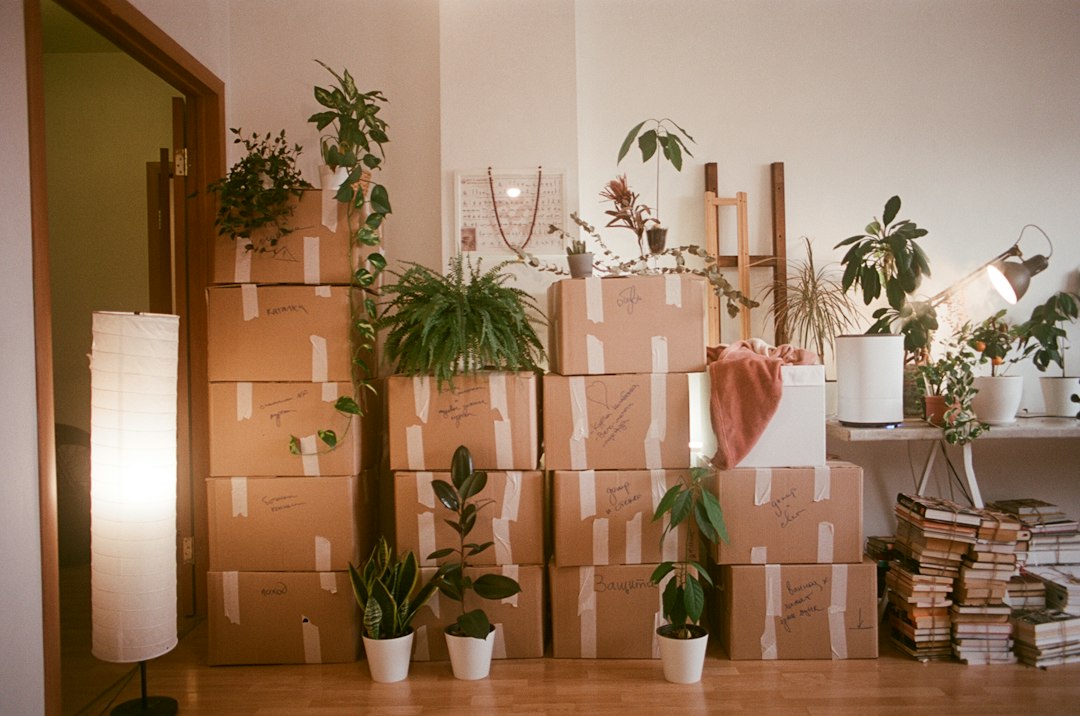

Decluttering before a move cuts moving costs, reduces packing time, and eliminates the frustration of hauling things you don’t actually use or want.
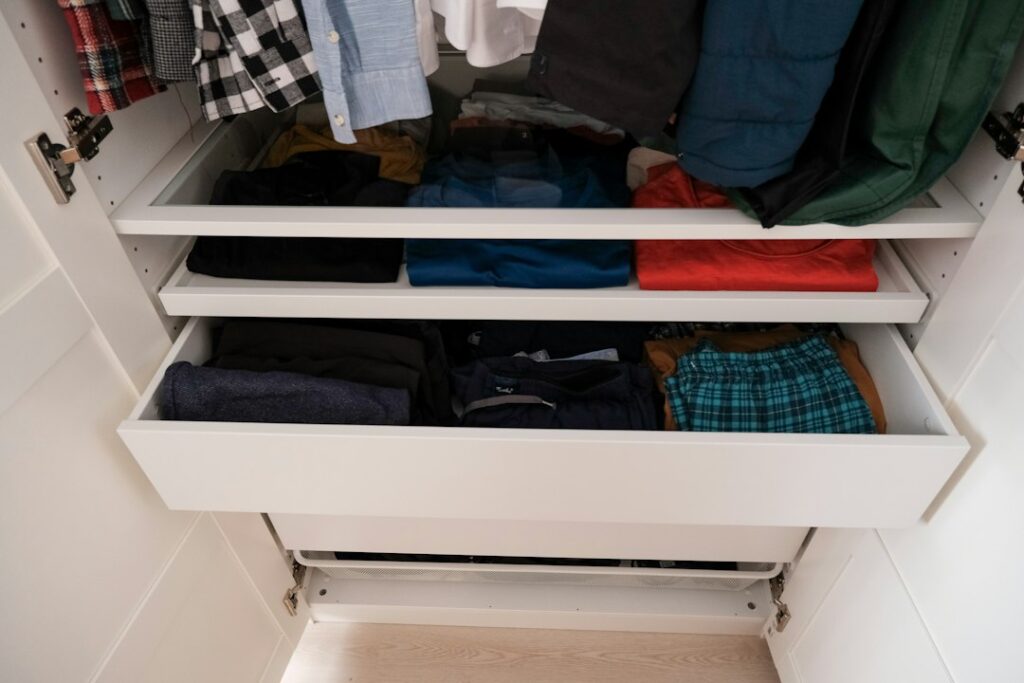
Why decluttering before moving matters more than you think
Most people underestimate how much stuff they’ve accumulated. You’ll find yourself paying to move items you forgot you owned—or worse, items you actively dislike. A typical household relocating across Ontario or BC can reduce their load by 20–40% through honest decluttering, which translates to real savings on truck size, labour hours, and packing supplies.
Beyond cost, decluttering forces a mental reset. Moving is the perfect moment to ask “Do I actually want this in my new home?” instead of automatically repacking everything out of habit. The less you move, the faster unpacking goes, and the sooner your new space feels like home rather than a storage facility.
Pro Tip: Start decluttering 6–8 weeks before your move date, not two weeks before. Rushing this step leads to decision fatigue and boxes of stuff you’ll regret later.
How do you start decluttering without feeling overwhelmed?
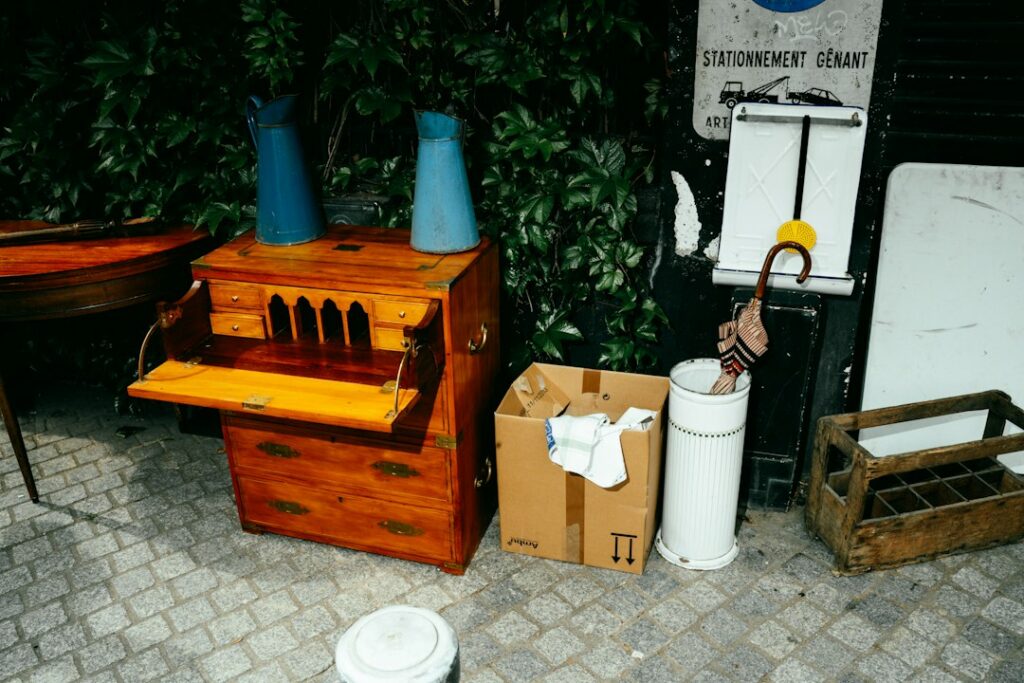
The biggest mistake is trying to declutter your entire house in one weekend. Instead, work room by room, spending 2–3 hours per space. This prevents burnout and makes decisions feel manageable.
Follow this straightforward framework for each room:
- Group items by category (clothing, kitchen tools, books, décor) rather than by room. Seeing how many coffee mugs or winter jackets you own makes it easier to recognize duplicates.
- Sort into four piles: Keep, Donate, Sell, and Trash. Be strict—”maybe” is just delayed trash.
- Ask one question per item: “Have I used this in the last year, and would I buy it again today?” If the answer to either is no, it goes.
- Handle one pile at a time. Don’t bounce between deciding and physically moving items; finish the Keep pile first, then deal with donations and sales.
Use a timer if you’re procrastinating. Set 90 minutes per room, then take a 15-minute break. This creates a sense of urgency without the all-day slog feeling.
| Category | Keep Decision Rule | Common Red Flags |
|---|---|---|
| Clothing | Fits well and worn in the last 12 months | “It might fit again,” out of style, uncomfortable |
| Kitchen items | Used in the last 3 months or essential for cooking | Duplicate gadgets, single-use tools, broken handles |
| Books & media | Plan to reread or actively reference | Read once and kept for guilt, outdated reference |
| Furniture | Fits new space and used regularly | Sentimental but broken, “might go with something,” cheap quality |
| Décor & sentimental items | Display or use regularly; brings genuine joy | Inherited out of obligation, damaged but kept, duplicate gifts |
What’s the fastest way to handle the items you’re removing?
Once you’ve sorted, don’t let the Donate and Sell piles sit for weeks. They take up space and tempt you to second-guess decisions.
Donations: Most Canadian communities have Goodwill, Salvation Army, or local charities that pick up furniture and household items free or for a small fee. Some offer tax receipts. Schedule the pickup 1–2 weeks before moving day so the space is clear but you’re not stuck managing items during the move itself.
Sales (higher-value items): Use Facebook Marketplace or Kijiji for furniture, electronics, or designer pieces. Price realistically—you want these gone, not to maximize profit. Set a firm “must sell by” date; anything unsold goes to donation.
Trash: Broken items, stained fabric, and unusable stuff go straight to a local waste facility or scheduled bulk pickup. Don’t haul it to your new home hoping to “fix it later.”
Pro Tip: If an item is in good condition but you haven’t touched it, donate it. Guilt is not a reason to move something across the country.
How do you declutter categories that feel emotionally difficult?
Sentimental items, inherited belongings, and gifts often create decision paralysis. You feel obligated to keep them, but they don’t fit your life anymore.
Inherited furniture or collections: Ask yourself: “If a stranger offered me this today, would I accept it?” If no, you don’t owe it your storage space just because family owned it first. Take a photo, then let it go. The memory stays with you; the item doesn’t have to.
Gifts you don’t use: Keeping a gift out of guilt is punishing yourself and your new home. The giver gave it in good faith; they don’t expect it to live in your closet for five years. Donate or sell it, and redirect that mental energy toward things you actually value.
Kids’ items (toys, clothes, school projects): Involve children in decisions, but set boundaries. One box of keepsakes per child, not four. Let them choose what’s meaningful; ruthlessly cut the rest. Photograph artwork instead of storing originals.
Sentimental clothing: One item per category (wedding dress, old sports jersey, favorite band t-shirt) is reasonable. Entire closets of unworn sentimental clothes are not. Frame a favorite shirt or quilt it instead of boxing it.
What about furniture and large items?
Furniture is often the biggest decluttering decision because it’s expensive to move and take up disproportionate truck space.
Measure your new space before deciding what stays. A bedroom set that filled your old bedroom might overwhelm your new one. A sectional sofa might not fit through the hallway. Old, heavy pieces are particularly worth questioning—modern furniture is often lighter and more space-efficient, and moving costs might exceed replacement cost for something worn out.
Consider this: A solid oak dresser costs $100–200 to move (truck space + labour), might not match your new décor, and takes four hours to pack safely. Selling it for $150 and replacing it with something new makes financial and emotional sense.
| Furniture Item | When to Keep | When to Let Go |
|---|---|---|
| Bedroom set (bed, dressers, nightstands) | Fits new room, well-maintained, matches style | Pieces are damaged, mismatched, too large for new space |
| Sofa or sectional | Comfortable, fits new living room, less than 10 years old | Stained, sagging, size mismatch, style you’re outgrowing |
| Dining table | Regularly used for meals or gatherings | Rarely used, too large, visibly damaged |
| Desk or office furniture | Actively used for work or hobbies | Unused workspace, outdated, cramped or broken |
| Entertainment unit or bookshelves | Functional and fits new layout | Oversized for room, style mismatch, warped or damaged |
Pro Tip: Heavy, old furniture often costs more to move safely than it’s worth. Get an honest estimate from your moving company; if the move cost exceeds 50% of replacement cost, sell and replace.
How does decluttering connect to your moving budget?
Decluttering directly reduces moving expenses. Fewer items mean a smaller truck, faster load/unload, and less packing material needed. If you’re planning a move cost estimate, starting with a decluttered inventory will give you a far more accurate (and often lower) quote.
A typical household can save $300–800 on moving costs by removing 20–30% of their belongings. For cross-country moves or cross-border relocations, the savings are even steeper.
Use a moving budget spreadsheet to track what you’re keeping, donating, and selling. This gives you a realistic picture of your new home’s contents and helps you plan future purchases around what’s already there.
Want help with this?
If you want a straight answer for your situation, send Bravos Moving a note. We read every message and reply with next steps — no generic sales dump.
FAQ
How long does decluttering typically take?
For a typical 3-bedroom house, allow 3–4 weeks of part-time work (2–3 hours per room, twice weekly). Starting 6–8 weeks before your move date prevents rushing and decision fatigue. Apartments or smaller homes take 1–2 weeks; larger homes or those with accumulated collections may take 5–6 weeks.
What’s the best way to handle family heirlooms I feel obligated to keep?
Take high-quality photos of the item and its details, then donate or sell it. The memory and photo remain; you free up space and emotional burden. If it’s truly valuable or historically significant, consider whether a sibling or museum would want it instead of storing it unused.
Should I declutter before or after measuring my new space?
Measure first. You’ll make better decisions about furniture if you know what actually fits. A sofa that seemed essential might not fit your new living room, making the decision to let go much easier.
Is it worth selling items on Facebook Marketplace, or should I just donate everything?
Sell high-value items (furniture, electronics, designer clothing) if you have time and patience. For low-value items (books, kitchen gadgets, worn clothing), donate immediately. The mental energy and time spent listing and communicating with buyers often exceeds the small amount you’ll earn, especially when you’re preparing to move.
What if I declutter and then realize I need something I gave away?
This rarely happens. Most items people second-guess are things they didn’t miss during the months or years before the move. If you’re genuinely uncertain about an item, keep it—but be honest about why. Uncertainty is usually a sign you don’t need it, and moving it will feel like a mistake once you’re settled.
From my own experience with people in the moving process, the biggest regret I see isn’t “I wish I’d kept that,” it’s “I can’t believe I paid to move something I haven’t opened in five years.” Decluttering feels like loss at first, but the lightness and clarity in your new space make it worth every decision.
Leave a Reply
You must be logged in to post a comment.