
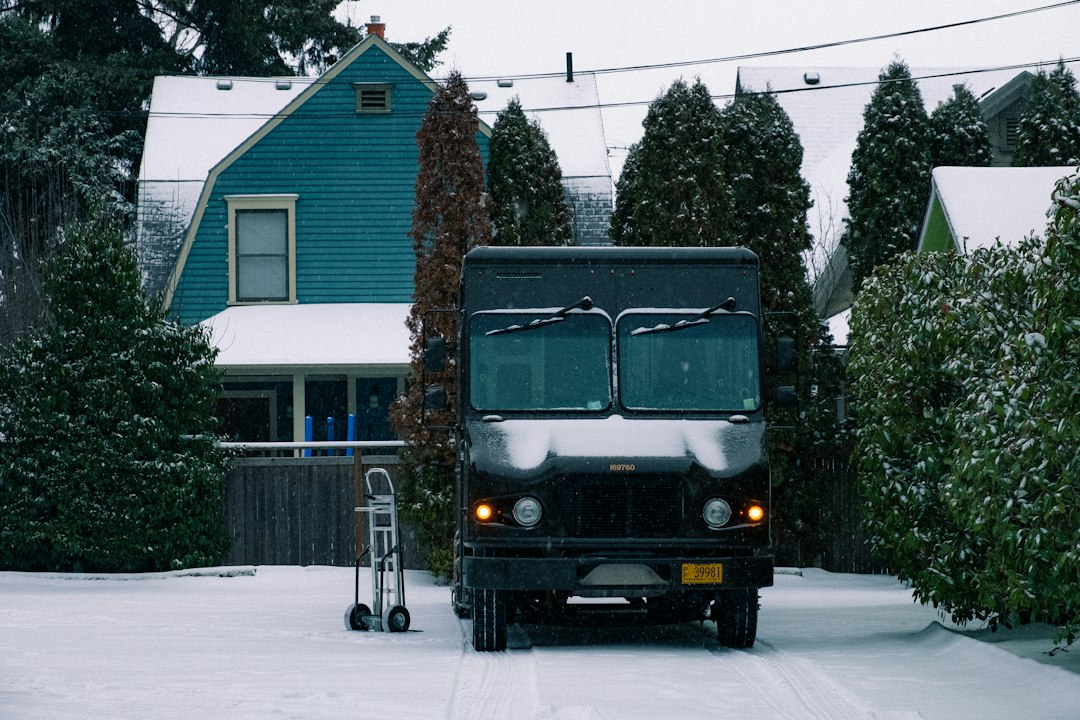

Winter moves require different preparation than warm-weather relocations. Ice, snow, and cold temperatures don’t just make moving uncomfortable—they change how routes work, how long packing takes, how your belongings behave in transit, and how movers can physically operate. A winter move in Canada is still entirely doable, but you’re managing active weather challenges, not simply working around a calendar date.

Why winter weather reshapes moving logistics
The operative variable isn’t the season itself. It’s the specific weather conditions that winter creates: frozen ground affecting truck access, reduced visibility changing load times, cold temperatures affecting certain materials, and precipitation making routes unpredictable. These are operational constraints that affect labor hours, equipment choice, and insurance considerations.
Snow and ice reduce truck maneuverability around driveways and building entrances. A crew that can ordinarily park within 10 feet of your door may need to stage the truck 30 or 40 feet away and hand-carry everything. That’s not extra caution—it’s the difference between a controlled move and a liability incident. Slippery surfaces also change how movers grip boxes and furniture. Gloved hands provide traction but reduce tactile control. A piece of furniture that moves smoothly across a hardwood floor in July doesn’t move the same way in December when moisture, cold, and protective blankets change the friction equation.
Cold temperatures affect materials directly. Leather hardens. Wooden furniture contracts slightly. Painted finishes become more brittle. Electronics don’t perform reliably in extreme cold. Most moving trucks are unheated, and items sitting in zero-degree temperatures lose function until they warm up again. Hydraulic fluid in equipment thickens. These small effects compound when you’re moving an entire household.
How to prepare differently for a winter move

Start by assessing your building’s winter access. If you live in a condo or apartment with a loading dock, confirm whether it’s heated, whether it’s salted or sanded during the move, and whether there are winter-specific policies you need to follow. Many buildings restrict moves during or immediately after heavy snowfall. Check your lease or building rules before booking—you may find your preferred date is unavailable.
Protect your belongings with extra layers during winter. Standard moving blankets are good practice year-round, but add waterproof coverings for anything that could absorb moisture from melted snow or truck condensation. Electronics, sensitive documents, and wooden furniture all benefit from sealed containers or plastic wrap in addition to blankets. Condensation is a genuine risk in winter moves because trucks experience temperature swings—frozen when parked, warming when running—that create moisture.
Plan additional time for loading and unloading. A winter move typically adds 1–3 hours to the labor timeline, depending on weather severity. Snow removal from stairs and walkways takes time. Movers slow down on slippery surfaces by necessity. Slipping and falling represent the majority of moving injuries, and professional crews are trained to reduce speed when conditions demand it. If your original estimate was six hours, budget for seven or eight when snow or ice is in the forecast.
Arrange for your driveway and entrance to be cleared before the moving truck arrives. Salt or sand can help, but the crew should be able to see where they’re walking without excavating. Do it the morning of the move, not the night before—overnight snow can reverse your work. When the truck arrives, ask the driver whether they need the area cleared further.
Have the interior of your new space heated and ready. Moving crews can’t work effectively in unheated homes because their hands get too cold for fine control, and moisture from wet clothing and snow gets deposited on your floors. If you’re moving to a home that’s been vacant or winterized, arrange to have the heat turned on at least a few hours before arrival. This also prevents condensation from occurring on your belongings as they move from cold truck to warm interior.
Safety precautions for movers and your items
Winter moves have a higher injury risk than summer ones. Ice is the primary culprit—it’s invisible, it develops on apparently clear surfaces, and it causes sudden falls that experienced movers can’t prevent through technique alone. Professional moving companies carry liability insurance that covers winter-related incidents, but coverage has limits. Make sure you understand what your moving company’s insurance coverage actually includes before signing.
Communication during the move becomes more important. If conditions deteriorate while the crew is in transit—a sudden snowstorm, for example—the driver may need to adjust the route or take longer than planned. Build in buffer time on the day of your move. Don’t schedule connections, deliveries, or other time-sensitive events immediately after your estimated move completion.
For temperature-sensitive items—plants, instruments, certain electronics—ask about climate-controlled truck options. These exist but are less common and more expensive. For most household moves, standard trucks are sufficient if you’ve protected items properly. If you’re moving a grand piano, wine collection, or artwork, winter transport requires special handling that’s worth the added cost.
Timing and scheduling considerations
Winter moves are cheaper than summer moves. Demand drops, and companies have more availability. But that pricing advantage vanishes if you’re flexible about dates. The worst time to move in winter is during or immediately after a major snowstorm. Your route may be compromised, and the moving truck may not be able to access side streets or secondary driveways. If you can choose between moving December 10th and December 12th, and a snowstorm is forecast for the 11th, wait.
Book your move as early in the day as possible during winter months. This gives the crew maximum daylight and reduces the risk of driving in poor visibility. An 8 a.m. start in December is substantially safer than a 2 p.m. start. Daylight in Canadian winters shrinks dramatically, and icy conditions worsen after dark.
Confirm cancellation or rescheduling policies with your moving company before you book. Some companies will reschedule at no charge if severe weather makes the move unsafe or impossible. Others charge a rescheduling fee or require the move to proceed regardless. Get this in writing. If a weather event forces cancellation, you don’t want to argue about whether the company gave you an out.
When winter moves make sense and when they don’t
Winter moves are worthwhile if you have a firm end-of-year deadline (lease ending, sale closing) or if cost savings matter more than convenience. They’re also practical if you’re moving within the same region. A move from Toronto to Ottawa in January is manageable. A move from Toronto to Vancouver in January introduces risk that may not be worth the savings.
Don’t move in winter if your route depends on back roads, mountain passes, or rural highways that are difficult to clear. Stick to urban or regional moves where main roads are actively maintained. If your destination is a rural property that’s hard to access in winter, wait for spring unless the timing is absolutely fixed.
Winter moves are harder on your belongings than summer moves, even when everything goes right. The added handling, exposure to temperature swings, and moisture risk is real. If you’re moving antique furniture, sensitive electronics, or items with high replacement cost, the cheaper winter rate may not offset the risk. Items requiring extra care during moves are worth protecting with premium summer-season service.
For people with flexibility, fall beats winter. October and November offer better rates than summer, fewer active weather constraints than December or January, and less pressure than year-end deadlines. If your move isn’t pinned to a specific date, spring is the default choice. Winter is the option you choose because you have to, not because it’s ideal.
Want help with this?
If you're planning a winter move in Canada and want to clarify what preparation, timeline adjustments, or protection your specific situation needs, let's talk through the weather variables in your move.
Need help with this? Locations from our team.
Leave a Reply
You must be logged in to post a comment.