
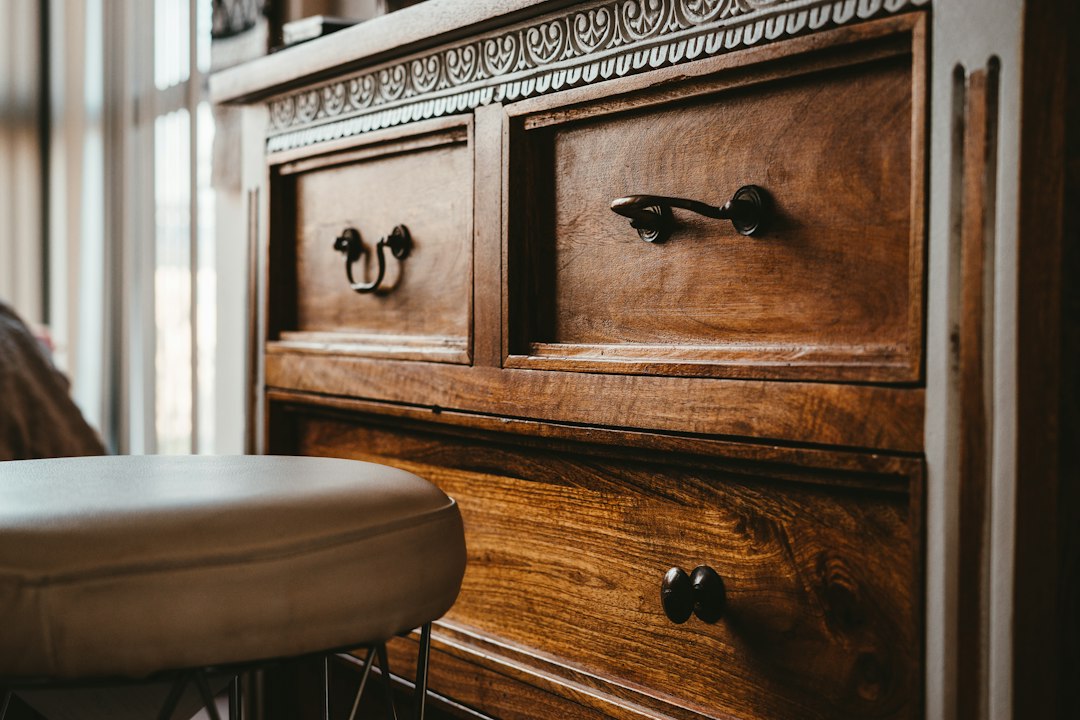

Antique furniture requires a different approach than standard moves. The stakes are higher—you’re not just moving a table, you’re preserving a piece that may have financial value, sentimental weight, or both. A careless wrap, a temperature swing, or a rough load can undo decades of care in minutes.
Know What You’re Actually Moving
Not all old furniture is handled the same way. A 1970s dining table is different from a Victorian dresser with veneer work. Before you pack anything, identify what you have. Antiques fall into several categories: solid wood pieces (usually hardwood, often pre-1920), veneered furniture (lighter woods glued over a base, common 1920–1980), pieces with inlays or marquetry, upholstered antiques with fragile period stuffing, and case pieces like cabinets and dressers with multiple compartments. Each responds differently to movement, humidity, and pressure.
If you’re uncertain about age or construction, take photos from multiple angles and ask a furniture restorer or appraiser. A 15-minute phone call can prevent expensive mistakes.
Document Everything Before Moving Day
This step is insurance protection and a moving necessity. Take high-resolution photos of each piece from the front, sides, back, and top. Capture any damage, wear, or restoration work already present. Open drawers and photograph interiors. If the piece has maker’s marks, stamps, or signatures, document those clearly. Create a simple spreadsheet with the piece name, dimensions, approximate age, any repairs or vulnerabilities, and the photo file names. Store this digitally and print a copy.
This record serves two purposes. If something breaks during the move, you have proof of pre-existing condition. It also helps any professional movers understand exactly what they’re handling. Moving company insurance coverage often hinges on what you declared beforehand.
Choose the Right Wrapping Materials
Standard moving blankets and bubble wrap are not ideal for antiques. They trap moisture, compress delicate surfaces, and leave marks or adhesive residue. Use instead:
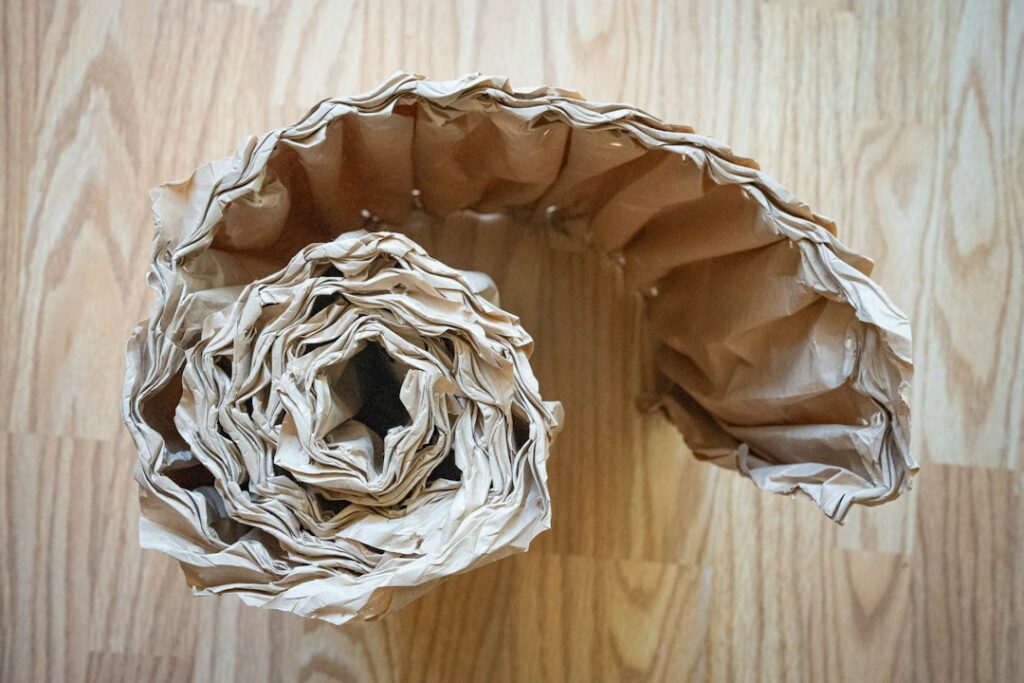
Acid-free paper or kraft paper: This is the first layer on any antique. It won’t transfer dyes or acids to finishes. Wrap each piece individually, sealing seams with painter’s tape. Use at least two layers.
Polyethylene sheeting: A thin plastic wrap over acid-free paper provides moisture barrier protection without trapping humidity if there’s a small air gap. Do not seal it completely; use perforated plastic sheeting made for conservation.
Furniture blankets (premium grade): Cotton-based and non-adhesive, these go outside the plastic layer and protect against impacts. Secure with painter’s tape on the ends, not wrapped tightly around legs or carved details.
What to avoid: Bubble wrap directly on finish traps moisture and leaves imprints. Newspaper transfers ink and is acidic. Plastic cling wrap or shrink film without an air gap causes humidity damage. Duct tape on the furniture itself—always tape to the wrapping layer, never the wood.
For carved details, inlays, or delicate legs, use crumpled acid-free paper to cushion surfaces before wrapping the whole piece. Think of it as nested protection: padding in the details, acid-free paper, plastic for moisture control, and blankets for impact.
Handle Drawers, Doors, and Moving Parts
Remove all drawers before moving. Drawers hanging from a dresser are a collision waiting to happen. The weight of contents can bend runners or warp the frame. Place each drawer on a dolly or wrap it separately with padding for the underside and top. If drawers have ornate handles, wrap the hardware in cloth and tape it to the drawer.
Leave cabinet doors and hutch doors in place if they’re solid and well-hinged. If they swing freely or have glass panels, lock them closed with painter’s tape applied to the frame, not the glass. Remove the tape after the move. For glass-front cabinets, apply painter’s tape in an X pattern to each pane to minimize vibration.
Fold-down desk tops, removable shelves, and flip-top tables should be removed, labeled, and wrapped separately. Store hardware in a labeled bag and secure it to the corresponding piece.
Climate and Humidity Considerations
Antique wood is sensitive to sudden temperature and humidity shifts. A piece stable for decades can crack, warp, or develop finish checks when exposed to dry moving trucks or humid storage units.
Avoid leaving antiques in an unheated or uncooled truck or storage unit for extended periods. If you must use temporary storage, choose climate-controlled. Transport in a temperature-controlled vehicle whenever possible. A piece in transit for 12 hours is better than one sitting in a warehouse for three days without climate control.
For veneered or inlaid pieces, humidity fluctuations are particularly dangerous. Veneered surfaces can bubble or separate if they dry too quickly after exposure to moisture. If your new home has significantly different humidity than your previous one, acclimate the furniture gradually in a room with moderate temperature and humidity for a few days before final placement.
Disassembly: When It’s Safe and When It Isn’t
Many people assume they should disassemble antique furniture to make moving easier. This is often a mistake. Antique joints held by hide glue, mortise-and-tenon joinery, or original fasteners lose structural integrity once disturbed. Taking apart a chair or table can be far more damaging than moving it intact.
Only disassemble if the piece was designed to come apart—fold-up leaf tables, removable shelves, or slip-seat chairs where the upholstered seat lifts out. Move everything else whole. Antique tables with pedestal bases should remain assembled. Chairs should move with their original frame intact. Dressers, cabinets, and hutches should stay as one unit.
The only exception is when a professional furniture conservator has explicitly advised disassembly, or when a piece is so large it cannot fit through doorways without damage. In that case, have a conservator oversee the disassembly, not a moving crew.
Loading and Transport
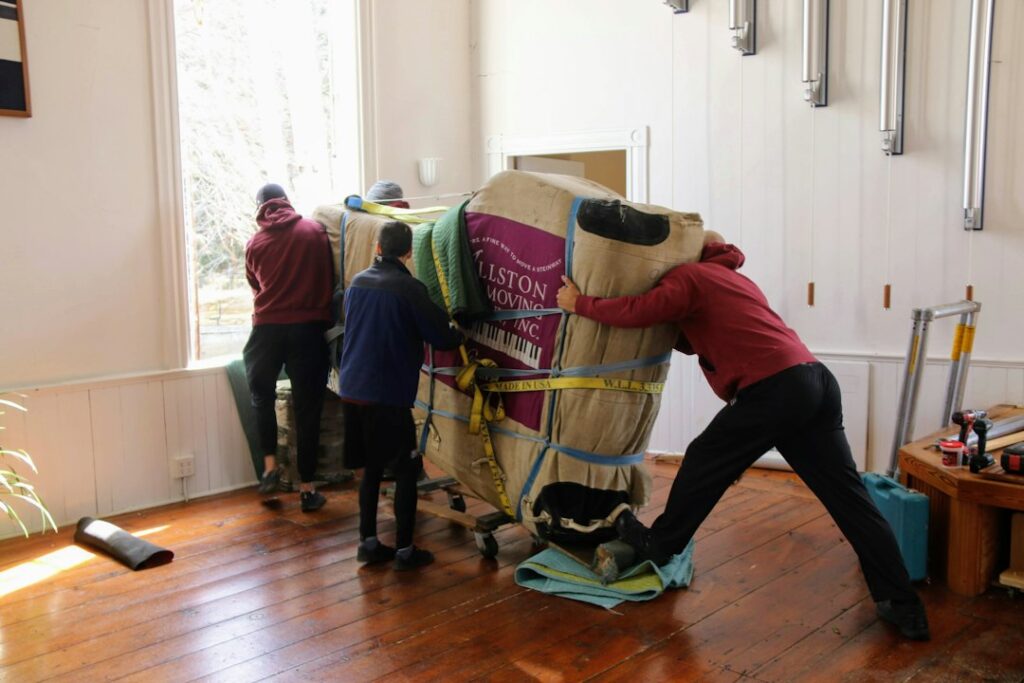
Antiques should be loaded last and unloaded first. This means less time in the truck and less risk of getting buried under other boxes. Secure them so they don’t shift—use furniture pads and blankets between pieces, and soft straps (never metal bands that can cut finish). Position larger pieces against the truck wall, not in the center where they’ll rock with every turn.
For long-distance moves, antique furniture belongs in a climate-controlled vehicle, not an open trailer. If a moving company cannot offer this, consider specialized fine-art or antique movers. The alternative—a DIY move with a rental truck and helpers—introduces risks that rarely pay off for valuable pieces.
When to Hire Professionals
If your antique furniture is valued over $1,000, has original finish, delicate inlay or marquetry work, veneered surfaces, antique upholstery, or pieces you plan to pass to the next generation, professional handling is worth the cost. Professional antique movers understand how to protect the piece physically and manage humidity, climate, and handling to prevent finish damage and structural stress.
General moving companies vary widely. Ask whether they’ve moved period furniture, whether they use acid-free wrapping materials, and whether they offer climate-controlled transport. Their answer will tell you whether they’re equipped for the job. If they seem indifferent or quote a flat rate without questions, look elsewhere.
DIY moves work for newer furniture with little monetary or sentimental value. For antiques, hiring specialists is insurance against loss.
After the Move
Once antiques arrive, unwrap them slowly and let them acclimate to the new environment before placing them in final positions. If there’s a significant climate difference, let pieces sit in a room with moderate temperature for 24–48 hours before uncrating fully. This reduces the shock that can cause cracking or finish separation.
Inspect everything against your pre-move photos. Any new damage should be photographed immediately and reported to the moving company. Minor dings can often be addressed by a furniture restorer; major structural damage may be a claim matter.
Keep your documentation file for insurance purposes, future restorers, and your own records.
Want help with this?
If you're moving antiques across Canada or the US and want to discuss climate-controlled transport options or specialized handling for valuable pieces, reach out to discuss your move.
Leave a Reply
You must be logged in to post a comment.