
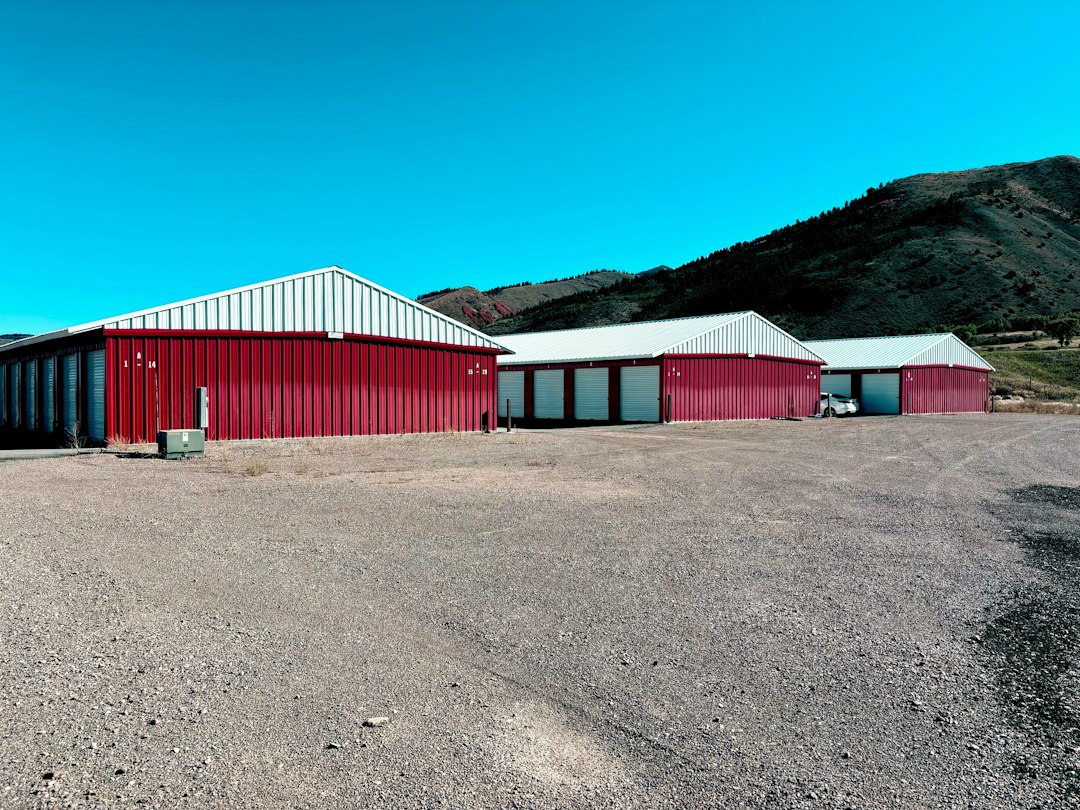

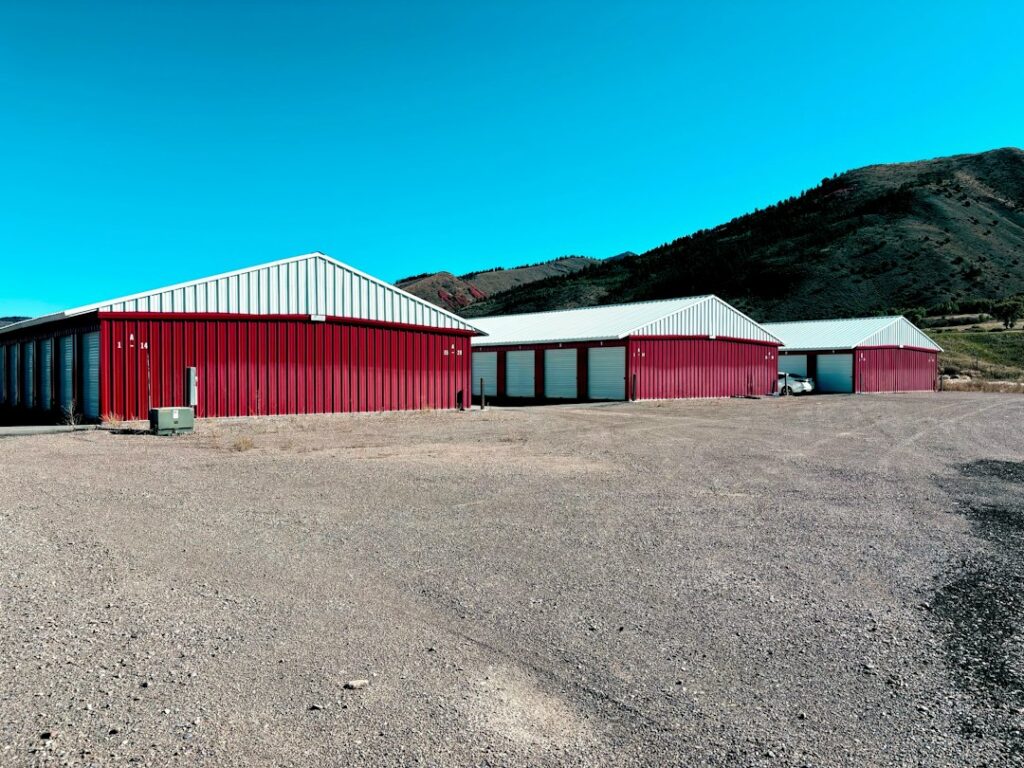
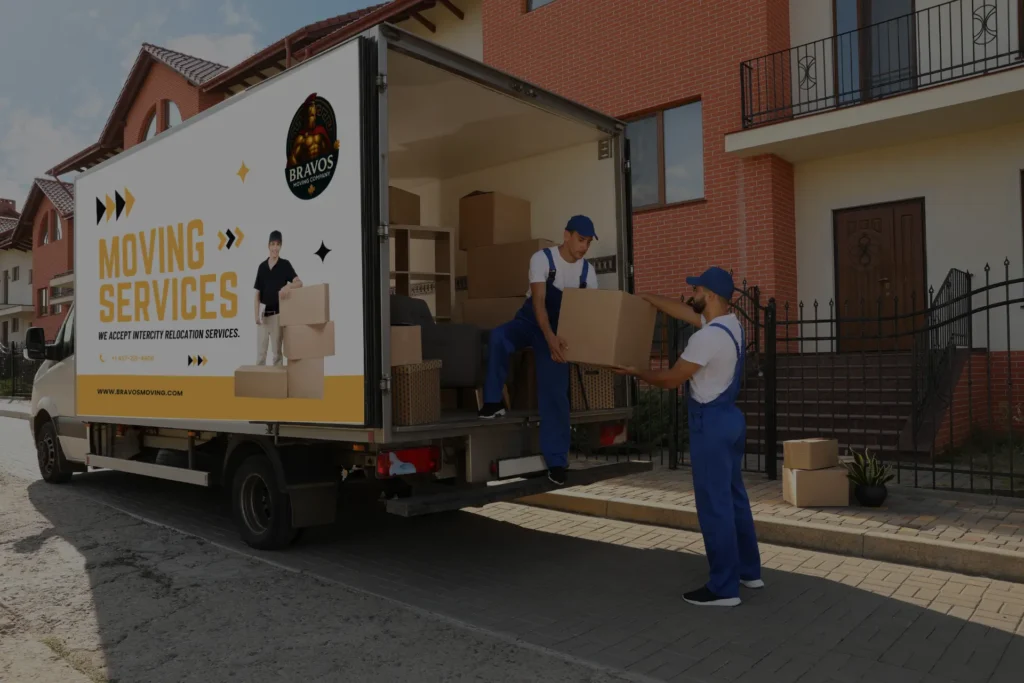
commercial storage unit selection business matters for most readers planning this. Choosing a commercial storage unit requires different criteria than personal storage. Your business needs depend on inventory type, access frequency, security standards, climate control, and scalability. A commercial storage unit selection checklist helps you evaluate facilities against operational requirements rather than just price and square footage. If logistics and facility management aren’t your focus, commercial moving services can handle the coordination of your transition into storage and ongoing access logistics. Bravos Moving can take care of this if you would rather not do it yourself.
Who this checklist is for
This guide applies to businesses managing seasonal inventory, businesses between locations during renovation or relocation, businesses downsizing office space while retaining archived materials, and businesses with overflow stock. It also covers businesses storing equipment, archived documents, samples, or finished goods that require controlled conditions.
If you’re relocating inventory during a commercial relocation, this checklist complements that process. The storage unit becomes part of your operational continuity, not just a holding space.
Access and operational requirements
Start by documenting how often you need to access your stored materials. Daily access demands a different facility from monthly retrievals. Many businesses discover mid-contract that standard business-hours access doesn’t meet their actual workflow, particularly if you receive shipments outside typical office hours or need to pull materials for client fulfillment on short notice.
Ask the facility directly: what are the exact access windows? Can you access 24/7, or is there a gate code that opens only during set hours? Some facilities charge additional fees for after-hours access, while others include it in the monthly rate. Clarify whether access is included seven days a week or only weekdays. If your business operates evenings or weekends, misalignment here becomes expensive and operationally disruptive.
Consider whether you’ll need drive-in access (drive your truck directly to the unit) or loading in a separate staging area. Drive-in access costs more but saves labor time if you’re handling large items frequently. For lightweight materials rarely moved, standard hallway access with loading dollies may suffice.
Security and inventory control
Commercial storage means protecting materials that represent business assets, not personal belongings. Security should be non-negotiable. Ask what physical security the facility provides: perimeter fencing, gated access, surveillance cameras, and security patrols or monitoring.
Individual unit locks are standard. Verify the lock type. Padlocks you provide are common, though some facilities supply locks and charge a replacement fee. Ask who holds the master key and under what circumstances facility staff can access your unit—usually only with written notice and witness, but confirm the policy in writing.
For businesses storing high-value inventory, sensitive documents, or materials requiring chain-of-custody verification, request access logs. Some facilities provide digital records showing who entered your unit and when; others do not track individual access at all. If regulatory compliance or insurance requires proof of handling, this becomes essential.
Climate control facilities often offer improved security because the controlled-access structure itself adds a layer of isolation.
Climate control and environmental conditions
Temperature and humidity matter more for business inventory than most people assume. Electronics, pharmaceuticals, fine art, wooden furniture, paper records, and anything with glue or varnish can degrade in uncontrolled environments. Extreme temperature swings and humidity fluctuations damage goods faster than steady cold or warm conditions.
Ask the facility what they monitor and control. Standard climate-controlled units maintain 50–70°F and 30–50% humidity year-round. Some facilities monitor but do not actively control, meaning they track readings but take no corrective action if conditions drift. Others use active heating, cooling, and dehumidification systems.
Get specifics: what happens if the HVAC system fails? Is there redundancy, and how quickly is a malfunction addressed? Who notifies you if conditions exceed acceptable ranges? In Ontario, facilities are not legally required to maintain specific climate parameters unless you’ve contracted for it explicitly. Verify the promise is in your lease.
Humidity is particularly overlooked. A unit might stay warm enough but become damp in spring, causing rust on metal items and mold on paper or fabric. Ask whether the facility has dehumidification built in or whether you’ll need to rent portable units.
Size, layout, and accessibility
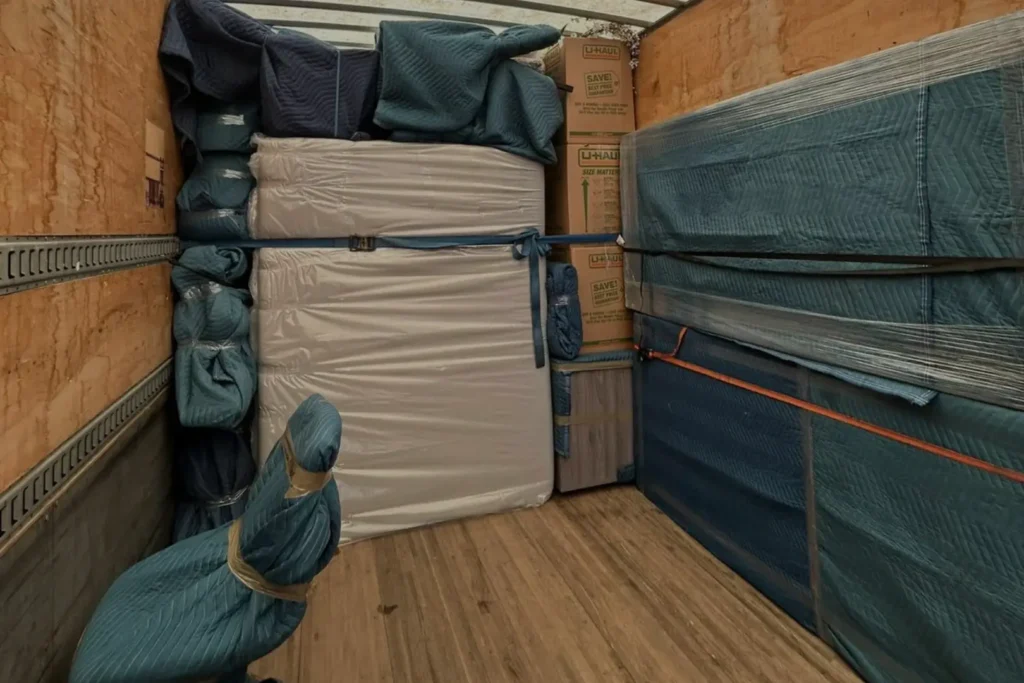
Measure your inventory precisely, accounting for how you’ll arrange items. A 10-by-10 unit sounds larger than it actually is when you factor in shelving, aisle space, and the inability to stack items floor to ceiling safely. Businesses often underestimate space and either overflow or pay for more than they need.
Ask the facility to show you an available unit of the size you’re considering, not just describe it. Walk through the space with your inventory list and mentally arrange items. Check ceiling height, floor condition, and any structural obstacles—beams, posts, or uneven flooring that limit usable space.
If you’ll need to add shelving, ask about installation. Can you bolt shelves to the walls, or are modifications prohibited? Some facilities ban drilling or permanent fixtures; others allow it freely. Clarify whether the facility provides shelving or whether you must source and install your own.
Verify doorway dimensions. A 10-by-10 unit can still be inaccessible if the door is only 5 feet wide and your inventory includes items wider than that. For office furniture or large equipment, door width and maneuverability matter enormously.
Insurance and liability
Your business insurance may not automatically cover materials in third-party storage. Contact your commercial property insurer and ask specifically whether stored inventory is included in your policy and under what conditions.
Facility insurance protects the building, not your contents. If the roof leaks, the facility’s insurance covers structural repair, not your damaged goods unless you’ve secured additional coverage. Some businesses purchase specific storage unit coverage as a rider to their commercial policy; others negotiate higher liability limits with the storage facility itself.
Ask the facility what liability they accept. Most standard leases limit facility liability to the monthly rent amount, which is inadequate if you’re storing high-value inventory. Negotiate this clause before signing. You may also ask whether the facility requires proof of insurance as a condition of tenancy.
Document your inventory with photos and a written list before placing items in storage. This protects you if damage occurs and you need to file a claim. Include condition notes and approximate value for each item or category.
Pricing structure and contract terms
Facility pricing varies by size, climate control, location, and market demand. Compare quoted rates across at least three facilities in your region; pricing can differ by 20–40% for equivalent units. Ask whether the quote includes all fees or whether there are hidden charges: late fees, access card replacement, lock fees, or administrative charges.
Review the lease term carefully. Month-to-month tenancy offers flexibility but may cost more per month than a six- or twelve-month commitment. If you’re uncertain how long you’ll need storage, a shorter term prevents overpaying, but confirm the facility allows early termination and under what conditions.
Ask about price increases. Most leases include an annual rate adjustment clause. Get the specific percentage or cap. Some facilities increase 3% per year, others up to 10%. This compounds over time and affects your budget planning for ongoing storage costs.
Clarify what happens if you need to upgrade to a larger unit mid-lease. Some facilities waive or credit the previous deposit toward the new unit; others charge a full new deposit. Negotiate this flexibility now if your business is growing or you’re uncertain of final storage needs.
Easy-to-miss considerations
Pest control and regular inspections often go unmentioned until a problem appears. Ask what pest management the facility practices and how often units are inspected for signs of infestation or water damage. Some facilities fumigate periodically; others respond only to complaints. In Ontario, facilities aren’t required to maintain specific pest prevention standards, so this varies widely.
Parking and loading access matter more than they initially seem. If your business pays staff hourly to load and unload storage, parking restrictions or limited loading zones can add unexpected time and cost. Verify where you park, how long loading takes, and whether the facility enforces time limits on the loading dock.
Disaster recovery and communication protocols matter for sensitive inventory. If the facility loses power or suffers water damage, who contacts you and how quickly? Do they have emergency protocols for climate-controlled units, or will you discover the problem when you visit next month?
Visit the facility in person before committing. Online photos don’t reveal cleanliness, actual condition, or atmosphere. Check for signs of pest activity, water stains, organized management, and professionalism. A well-maintained facility typically provides better service than one that’s cluttered or disorganized.
What to verify before signing a commercial storage lease
A commercial storage lease is a binding contract. Before you sign, confirm in writing the exact access hours, climate control specifications (if applicable), insurance and liability limits, pricing and any annual increase caps, term length and early termination conditions, and security features. Ensure the facility provides you a copy of the fully signed lease. If anything discussed verbally is important to your business, request it be added to the lease in writing. A few minutes clarifying these details prevents costly surprises later.
Ready for a clear next step?
If your business is managing inventory during a move or growth phase and storage coordination feels like an additional burden, consider how professional logistics support might simplify the process.
Next steps for commercial storage unit selection business checklist
Choosing a commercial storage unit is a lease commitment that directly affects your business operations and inventory safety. Verify access requirements, security standards, climate control, and liability terms in writing before signing. A facility that meets your operational reality—not just a low price—protects your inventory and supports your business continuity.
Related: moving boxes and supplies.
Related: King City.
Next steps for commercial storage unit selection business
Choosing a commercial storage unit is a lease commitment that directly affects your business operations and inventory safety. Verify access requirements, security standards, climate control, and liability terms in writing before signing. A facility that meets your operational reality—not just a low price—protects your inventory and supports your business continuity.
FAQ
What size commercial storage unit does a typical small business need?
Most small businesses storing seasonal inventory or overflow stock use 10-by-10 or 10-by-20 units. A 10-by-10 holds roughly one small office’s worth of furniture and boxes; a 10-by-20 accommodates a full small office relocation or several months of seasonal goods. Measure your inventory first, then add 20% for access and movement space.
Do I need climate control for business storage?
Climate control is essential if you’re storing electronics, documents, wooden furniture, textiles, or anything sensitive to humidity and temperature swings. It’s optional for non-perishable items like boxes of supplies or bulk goods that tolerate temperature variation. Calculate the added cost against the risk of inventory degradation; for high-value goods, climate control almost always pays for itself.
Can I store hazardous materials or flammable items in a commercial unit?
Most storage facilities prohibit flammable, explosive, corrosive, or otherwise hazardous materials due to fire and liability risk. Ask the facility directly which items are restricted. In Ontario, storage of hazardous materials is regulated by local fire codes, and violations can result in lease termination and legal liability.
What should I do if the facility fails to maintain climate control or security?
Document the failure with photos, dates, and times. Send written notice to the facility management describing the problem and requesting immediate corrective action. Keep copies of all correspondence. If the issue isn’t resolved within a reasonable timeframe (typically 5–7 business days), contact your insurance company to report the breach and consult a commercial lawyer about lease termination or damage claims in Ontario.
Can I cancel my storage lease early if my business needs change?
Early termination depends on your lease terms. Month-to-month agreements allow cancellation with notice (typically 30 days), but you forfeit any remaining prepaid rent. Fixed-term leases often charge a penalty, sometimes equal to several months of remaining rent. Negotiate flexibility at the outset, particularly if your business situation is uncertain.
How do I protect my stored inventory from theft or damage?
Use your own quality padlock, photograph all items before storage with condition notes, maintain an updated inventory list, and store high-value or sensitive items in climate-controlled facilities with stronger security. Keep copies of receipts or valuations for insurance purposes. Ask the facility for their incident history and whether they’ve experienced break-ins or water damage in the past year.