
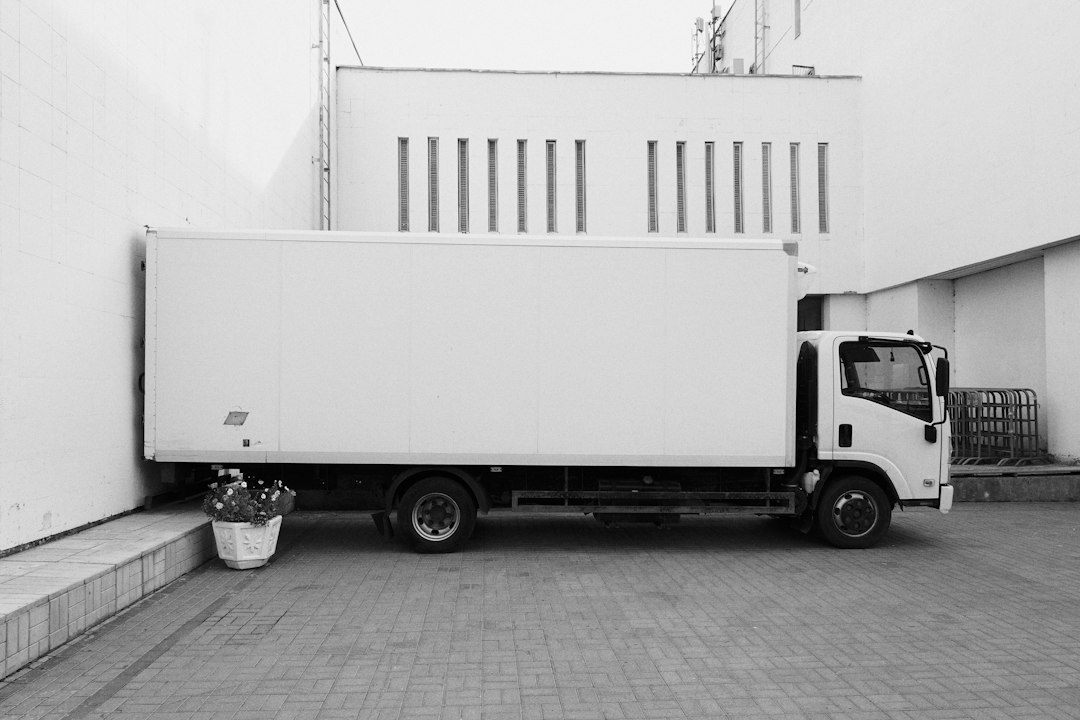

The surface answer is simple: DIY moving costs less upfront. Renting a truck and buying boxes runs 0 to ,500 depending on distance and volume. A full-service mover for the same job might quote ,500 to ,000 or more. But that opening number for DIY doesn’t account for expenses that appear only after you’ve committed: equipment you didn’t budget for, time away from work, or repair costs when something goes wrong. The total cost of ownership for a DIY move is often much closer to professional moving than the initial quote suggests. moving services.

Where DIY Moving Costs Hide
You rent a truck. That’s the visible expense. But the truck is only one line item.
Equipment rental stacks up quickly. Moving dollies run $20 to $40 per day. Furniture pads and blankets cost another $50 to $100 if you don’t already own them. A furniture dolly—the kind that handles stairs and corners—can run $60 to $80 for a one-way rental. Straps, sliders, hand trucks, and moving supplies add another $200 to $400 depending on what you start with. Most people underestimate this category by half.
Truck rental itself varies wildly. A local move under 50 miles in a 15-foot truck costs $30 to $60 for the day, but you pay per mile after that. A cross-province move in Ontario, say Toronto to Ottawa, runs $800 to $1,200 one-way in a standard truck, plus fuel. Cross-country moves see truck rental alone hit $2,500 to $4,000 without fuel. Fuel depends on efficiency; a 26-foot truck burns roughly 6 to 8 miles per gallon, so a 500-mile move adds $350 to $500 in gas.
Damage deposits and mileage overages hurt most. Rental companies charge for excess wear if you exceed their limits. Some require a deposit ($500 to $1,000) that you recover only if the truck comes back undamaged. A single dent or interior stain covers that deposit fast.
Packing materials accumulate beyond expectations. Standard moving boxes cost $1 to $2 each new; a two-bedroom move needs 40 to 60 boxes. Specialty boxes for dishes or mirrors run $3 to $5. Tape, markers, and bubble wrap easily reach $150 to $250 for a mid-sized move.
The Time Cost Nobody Prices
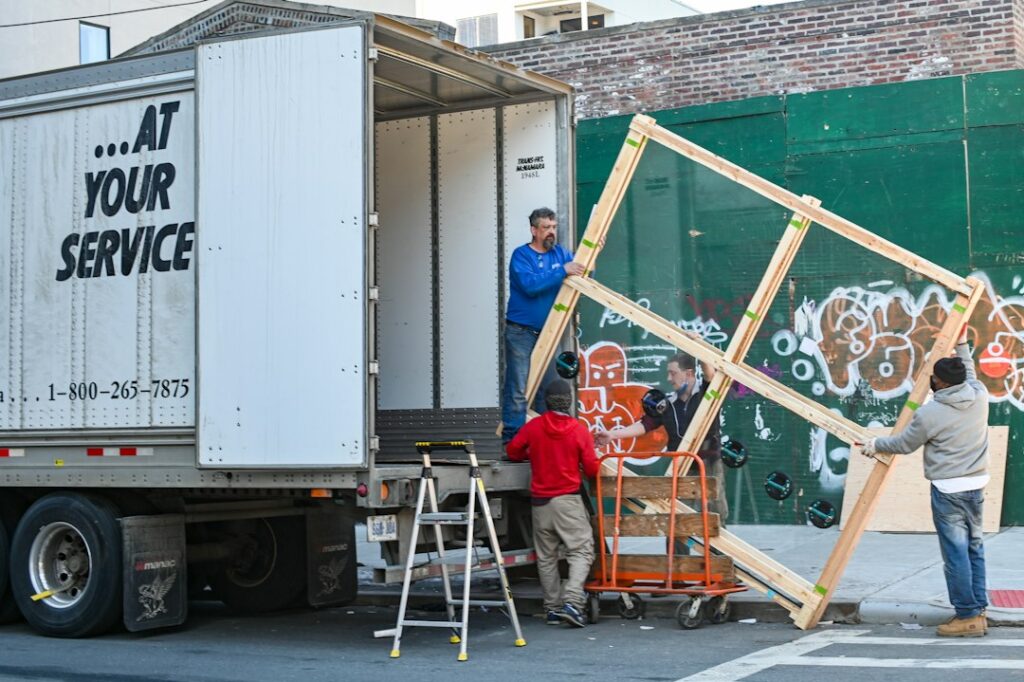
Hours spent packing, loading, and unloading are real money. If you take a day off work instead of earning an income, that’s an opportunity cost most DIY comparisons skip. A day’s lost income (conservatively $100 to $250) isn’t trivial. If two or three people take time off, it multiplies.
Professional movers complete most residential moves in one day because they do it continuously. You’re doing it once, slowly, with stops to figure out how to fit the couch through the hallway. A two-bedroom apartment typically takes a crew 4 to 6 hours. DIY moves of the same size stretch to 8 to 12 hours or across two days.
Physical fatigue affects decisions. By hour eight of loading and unloading, people are more likely to drop something, miss a step, or damage walls and door frames. Rental property owners often charge $200 to $500 for door frame damage or wall scuffs, costs that emerge weeks after move-out when you’re already settled.
Damage and Liability—The Real Risk
DIY movers have zero liability insurance. If you damage a neighbor’s fence, scratch the stairwell in an apartment building, or break furniture, you pay out of pocket. Professional movers carry liability insurance covering accidental damage up to $2,500 to $10,000 depending on the mover, with options to increase coverage. Your homeowners or renters insurance may not cover damage you cause to others’ property during a move.
Furniture damage during DIY moves is common. Sofas, dining tables, and entertainment centers get dinged, torn, or cracked when moved without proper padding or technique. Replacing or repairing one piece often runs $500 to $2,000.
Breakage of personal items—dishes, glassware, mirrors, artwork—happens more frequently in DIY moves. People pack hastily, use inadequate materials, or stack boxes incorrectly. Lost items aren’t recoverable.
When DIY Actually Makes Sense Financially
DIY works best for short-distance, small-volume moves with uncomplicated logistics. A studio apartment move across town where you own a truck or can borrow one, with distance under 30 miles, genuinely costs less, often just gas and boxes. Local moves under 50 miles where you already own moving equipment can run 0 to 0 total. local moving.
Moves with fewer than 15 boxes and lightweight furniture—a single person or couple downsizing—suit DIY better. If the move happens on a weekday when friends or family have time and the destination is within an hour’s drive, DIY avoids the full-service fee and can save $500 to $1,000.
Moves with predictable routes and minimal obstacles favor DIY. A ground-floor apartment to another ground-floor apartment nearby, no stairs, standard furniture, and experienced help available. The fewer unknowns, the more your estimate holds up.
Full-Service Pricing and What It Includes
A full-service move includes labor, equipment, basic liability insurance, and accountability. A two-bedroom local move (under 50 miles) typically runs $1,500 to $3,000. The same move cross-province or cross-Canada ranges from $3,000 to $8,000 or higher depending on distance, complexity, and timing.
You’re paying for a crew of two to four movers, a truck with equipment built in, professional packing if included, liability insurance, and a timeline guarantee. If something goes wrong—a delay, damage, a missed item—there’s a business liable and a process to address it. With DIY, you absorb the cost and the frustration.
Full-service movers spot and prevent common problems. A professional crew knows the weight limits of an elevator, the angle a sofa needs to fit through a doorway, and how to protect building flooring. These observations take seconds but save hundreds in damage claims.
The Breakeven Point
Distance is the primary variable. For moves beyond 200 miles, truck rental alone often approaches the price of hiring movers. Add gas, equipment rental, and time, and the gap narrows. A 400-mile move renting a truck can run $1,500 to $2,500 in vehicle cost plus $400 to $600 in fuel, plus equipment. A full-service mover for the same distance might quote $2,000 to $4,000. The difference shrinks, and the full-service option includes insurance and accountability.
Household size also shifts the calculation. A single person or couple with minimal belongings can DIY cheaply. A family with multiple rooms and breakables benefits from professional packing and handling. The labor cost for a family DIY move often exceeds what they’d pay a mover.
Complexity matters too. Moves involving stairs, narrow hallways, elevators in two buildings, or specialty items add hidden complexity to DIY. A piano move requires specialized equipment and technique; renting both can cost as much as hiring a mover.
The Honest Calculation
Create a real cost sheet. List truck rental with fuel, equipment rental, packing materials, replacement boxes, your time at an opportunity cost, and a conservative $200 to $500 for potential damage. That total is your DIY cost.
Get a full-service quote for the same move. If your DIY total is more than 60% of the professional quote, full-service is worth considering. If DIY is 40% or less, the math favors doing it yourself, assuming you have the time, help, and physical capacity.
Many people find that after adding every expense, DIY and full-service moves cost within $500 to $1,000 of each other for mid-range moves. When they’re that close, the question isn’t money anymore. It’s whether you want to spend a day or weekend loading and unloading, or whether someone else should do it.
Want help with this?
If you're working through whether to move yourself or hire a crew, we can walk through your specific situation—distance, volume, timing, complexity—and help you understand the real cost either way. That clarity often makes the decision obvious.
Leave a Reply
You must be logged in to post a comment.