
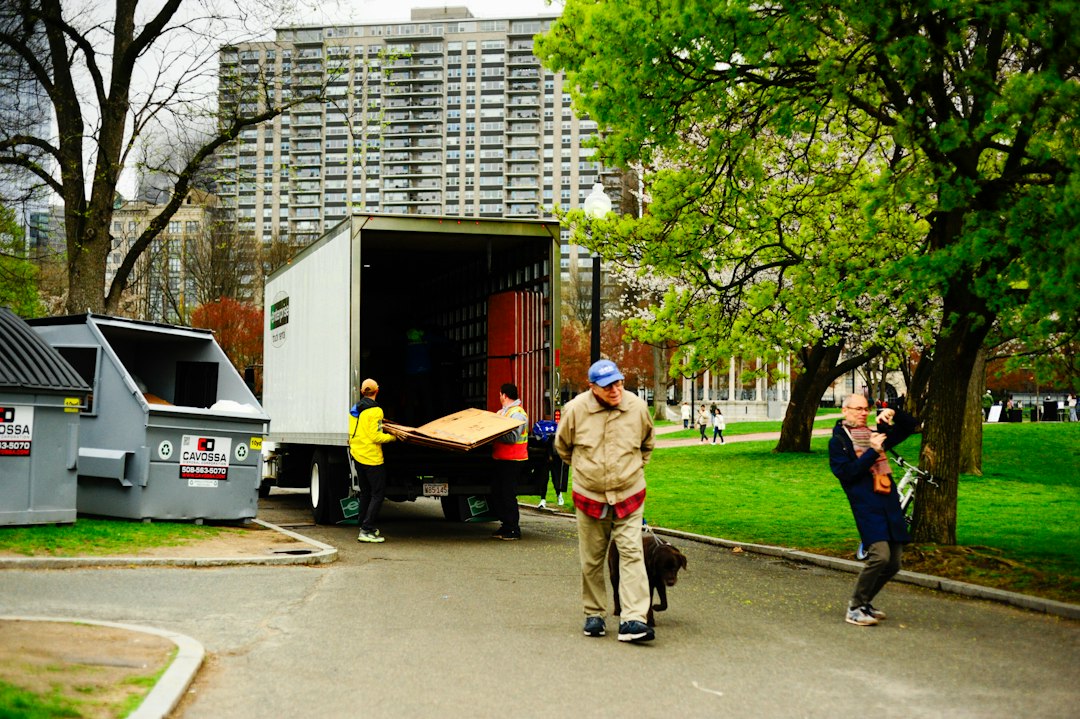

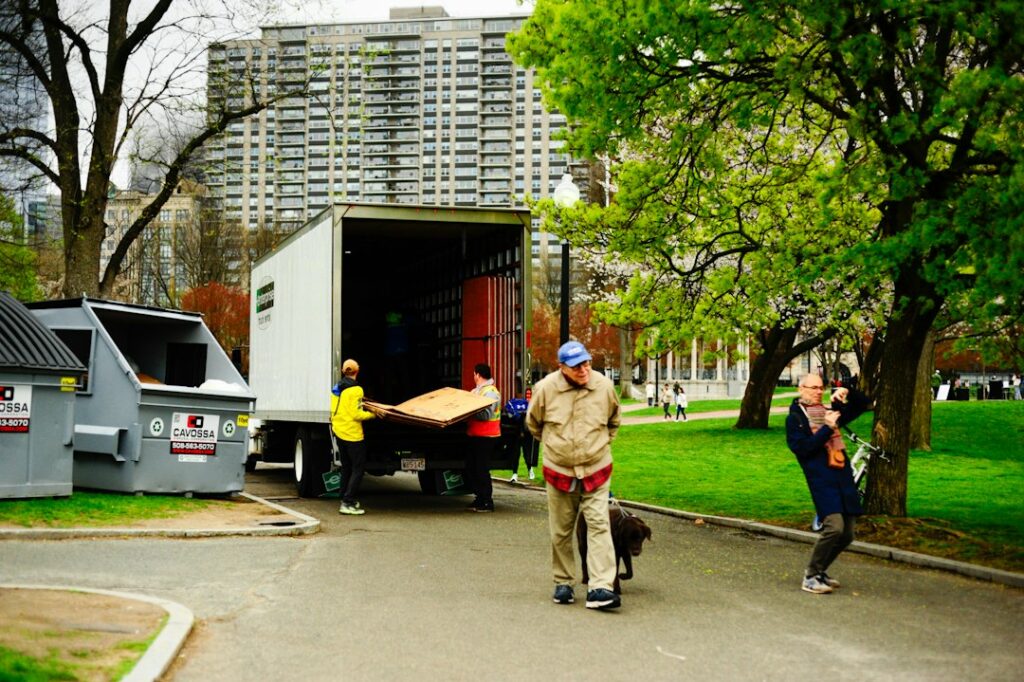
Pack a Moving Truck Efficiently is often the first thing people search. Packing a moving truck efficiently isn’t about cramming everything in. It’s about understanding weight distribution, protecting what matters, and loading in a sequence that keeps your belongings safe during transit. Heavy items go low, fragile goods get secured, and nothing shifts once the doors close. If you’d rather have professionals handle this, residential moving services can load and secure your truck properly. Bravos Moving can take care of this if you would rather not do it yourself.
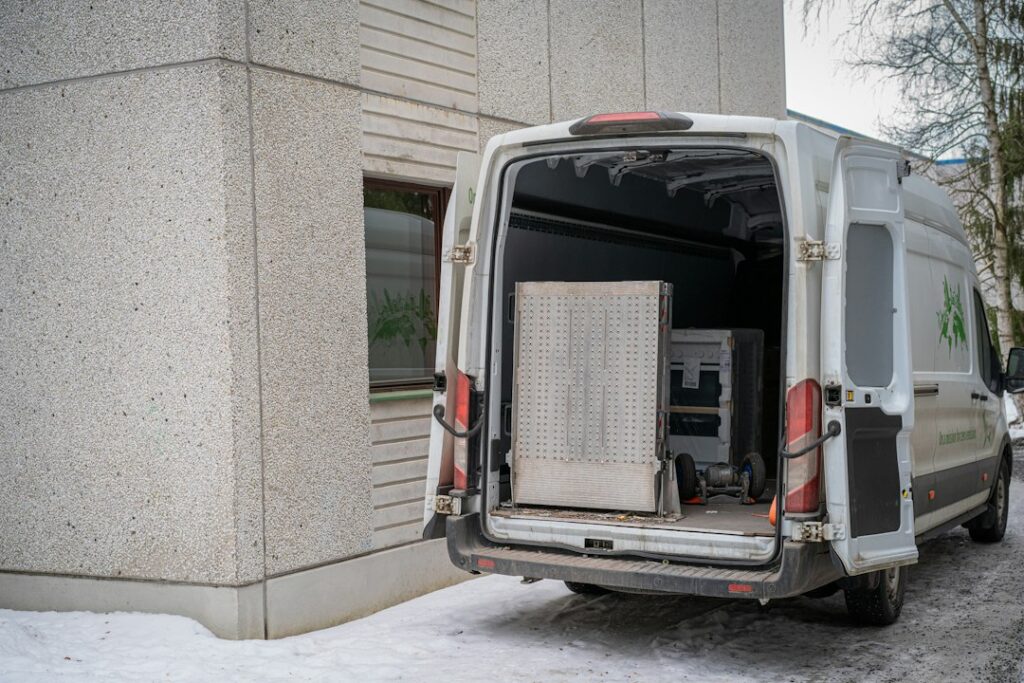
Why Loading Order Matters
A poorly packed truck lets items shift during braking and turns, which damages furniture and breaks dishes. An efficiently packed truck distributes weight evenly front to back and side to side, reducing strain on the vehicle and keeping your belongings stationary. long distance moving.
Most people load whatever they see first, then jam in whatever remains. This wastes vertical space, puts fragile items at risk, and often means something doesn’t fit.
Load Heavy Items First, Low and Toward the Front
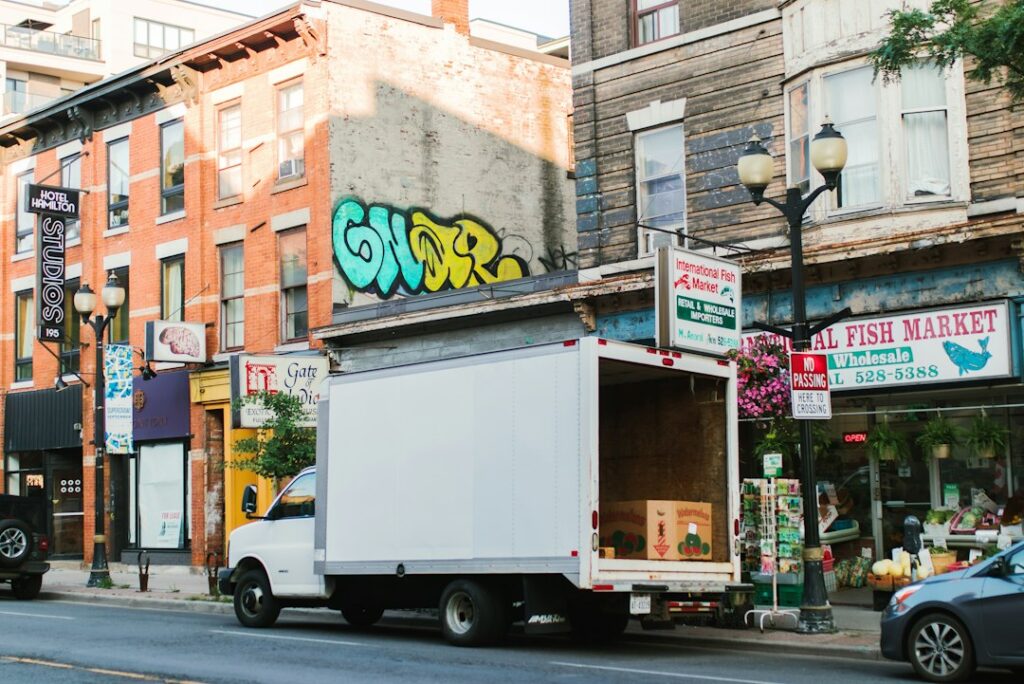
Start with your heaviest items on the truck bed: appliances, heavy furniture, and boxes of books. Position them toward the front third of the truck, directly over or near the axles. This keeps weight low and centered, which improves braking and handling.
Refrigerators, stoves, and washers go down first. Secure them so they cannot roll or tip. Dressers, desks, and beds come next. Lay larger pieces flat or on their sides; standing them upright wastes space.
Never stack heavy boxes on top of fragile ones.
Build Walls of Medium-Weight Items
Once your anchor pieces are in place, create walls using mid-weight boxes and medium furniture. Stack them in a grid pattern, not a pyramid. Push each wall tight against what came before; gaps mean items shift during transit.
Dressers, nightstands, and bookshelves form natural partitions. Lean them against your heavy furniture, creating a second layer of support.
Fragile Goods Get Their Own Zone
Dishes, glassware, artwork, and electronics should not go randomly among everything else. Carve out a designated section—usually toward the rear or higher up—for boxes marked fragile. Wrap each item individually in paper or towels. Use newspaper or packing paper as filler so nothing moves inside.
Load these boxes on top of stable, flat surfaces. Stack them no more than three high, and never place anything heavy on top.
Fill Vertical Space Strategically
Most household moves leave empty ceiling space. Once you have your wall of medium boxes, fill above it with lighter items: pillows, blankets, lampshades, cushions, bags of soft goods.
Use items to fill holes between larger pieces. Mattresses stand on edge and lean against furniture. Rolled rugs and long mirrors go horizontally, spanning across the truck.
Use rope or furniture pads to stabilize tall items so they don’t topple if the truck brakes suddenly.
Balance Side to Side
A truck loaded entirely on one side will handle poorly and wear tires unevenly. Distribute weight across the width of the truck bed. If you have two heavy dressers, put one on the left and one on the right.
Secure Everything with Rope or Straps
Once items are in place, do not assume they’ll stay there. Use rope, moving straps, or cargo nets to secure furniture against the truck walls. Wrap rope around a dresser or sofa and tie it to anchor points bolted to the truck bed. moving services.
Boxes stacked against each other create friction. But furniture and appliances shift easily during acceleration and deceleration. A single rope across the top of loaded boxes adds significant security.
Test by pushing on items once they’re loaded. If anything moves, add another strap.
Load Last What You Need First
Save the items you’ll need immediately for the very end: a suitcase with a few days’ clothes, toiletries, phone chargers, tools, and the box marked ‘open first.’ Load these on top, toward the truck’s rear door, so you can grab them without unloading everything else.
Key Takeaways
- Heavy items go low and toward the front, centered over the axles.
- Build vertical walls with medium-weight boxes stacked in a grid pattern.
- Fragile goods get a designated zone, stacked no more than three high.
- Distribute weight side to side and fill ceiling space with lighter items.
- Secure everything with rope or straps once the truck is loaded.
- Save essentials for last so you can access them without unloading.
Want help with this?
Packing a truck yourself is possible, but securing and distributing weight correctly prevents damage and maximizes space. If handling the full load, logistics, and timeline feels like too much, let Bravos Moving load your truck.
What to decide about pack a moving truck efficiently
Efficient truck packing is about deliberate sequencing, not just fitting things in. Heavy items low and forward, medium items in stable walls, fragile goods protected and elevated, and everything secured against movement—this order protects your belongings and uses space properly. If renting and loading the truck yourself, allow more time than you think you need and recruit help for large furniture. Most people discover they benefit from having professionals handle this step, especially on longer moves or with valuable or fragile goods.
FAQ
What should I load into a moving truck first?
Load your heaviest items first—appliances, heavy furniture, and dense boxes. Place them toward the front of the truck, low and centered over or near the axles. This creates a stable foundation for everything else and improves the truck's weight distribution and handling.
How do I prevent items from shifting during the move?
Use rope, cargo straps, or nets to secure furniture and appliance against the truck walls and anchor points. Stack boxes in tight, flat-edged grids rather than pyramids. Fill gaps with blankets or soft items, and test each load by pushing on items once they're secured. Nothing should move when you apply pressure.
Where should fragile items go in a moving truck?
Fragile items go on top of stable, flat surfaces in a designated section, usually toward the rear or higher up. Never stack them in areas where weight will be placed on top. Wrap each item individually and use paper or towels as filler inside boxes. Load these boxes last or in a protected area where they won't be disturbed.
How do I maximize vertical space in a moving truck?
Fill upward with lighter items: pillows, blankets, lampshades, bags of soft goods. Use mattresses standing on edge and rolled rugs horizontally to create additional layers. Keep heavier items low. Avoid leaving empty space that allows items to shift during transit.
What's the best way to load long or large furniture like sofas and dressers?
Lay larger furniture flat or on its side if it fits, which saves vertical space. Secure it with rope tied to truck anchor points. If standing upright is necessary, secure the top to prevent tipping during braking or turning. Load long items like rolled rugs horizontally, spanning across the truck bed.
Should I hire professional movers if I'm renting a truck?
Renting a truck yourself is cheaper, but loading and securing it properly takes planning, physical strength, and equipment knowledge. Many people underestimate the time and skill required. If you have heavy appliances, fragile goods, or a large household, professional loaders reduce damage risk and save several hours of labor.